
BizListing
Prioritizing beauty at OHHH, MY NAILS! CO.
Introducing OHHH, MY NAILS! CO., opened in 2017 to offer hand and foot care services without compare.


The business – OHHH, MY NAILS! CO. – was established in 2017, pre-Covid-19.
“We chose the field of beauty and wellness because we want to provide a place where anyone can spend some ‘me’ time, take a break from his/her busy schedule, be pampered and feel at home with the cozy atmosphere,” said Patrick King Pascual, one of the two co-owners of the biz.
“We wanted to respond to the demand/what is lacking in the health and wellness industry,” added Jaycee Ryan Tolentino. “When you go around Manila, there are only a few establishments that focus on hand and foot care, particularly nails. In the area where our shop is located, when we started, there was no establishment that focused on hand, foot and nail care.”
It helps, of course, that – according to Jaycee – they also wanted to “establish something for ourselves, to be our own boss” even if being such can be challenging. In Patrick’s words: “Being our own boss is not easy, you are on call 24/7. There are no day-offs or leaves.”
“You need to give your 101% to make sure that everything remains floating. You need to be fully dedicated. It is like raising a child, you need to guide him/her in every step of the way until you are confident he/she can be independent and successful,” Jaycee said.
But there’s also that drive because of “our employees. Next to gaining profit, we want to provide employment to different people in our own little way,” added Patrick.


GOING INTO BUSINESS
Before they started OHHH, MY NAILS! CO., “it did not occur to us that we will be starting our own business,” Jaycee said.
Just like most people who have day jobs, the co-owners were content with being salaried employees (“The usual every 15th and 30th pay”) since they had their own savings and they were able to do the things they wanted.
“But as years passed, we realized that there should be ‘more’; our priorities slowly changed. We started valuing delayed gratification,” Jaycee said.
Jaycee – who finished Hotel and Restaurant Management – said he was “exposed to different businesses and entrepreneurs, where I learned the ins and outs of how a business can grow and remain sustainable.”
It helped that Patrick – a journalist – “was exposed to the marketing side of things – like what will sell or not, how to present a product or service, those kinds of things.”
“Value your clients regardless of who they are, what their life status is. Give them the same quality of service,” Jaycee Ryan Tolentino said.
FACING CHALLENGES
“During the early months of planning, one challenge we experienced was creating a name and forming a reputation in the area where our business is located,” Patrick recalled. “We wanted OHHH, MY NAILS! to be unique and distinct.”
Another challenge experienced was hiring and training employees.
“We do not just employ people just because they have the required skills; we also look at how they interact with clients, handle pressure, and the overall quality of their work,” Jaycee said.
But these challenges were also learning experiences for them.
For instance, “when choosing services that will fit the needs of the clients, what we learned through… is a business should not immediately introduce a new product or service without doing a feasibility check,” Jaycee said.
Good marketing strategy helps, of course.
GOOD VENTURE
OHHH, MY NAILS! CO. already reached ROI.
“Before we opened our shop we created a timeline – that within two years, we should have ROI. We believe that in any type of business – micro, small, or medium – you should have a semblance of ROI within the first two years, because if you do not, your profit will be eaten up by your expenses. This is one of the most important reasons why you need to have a feasibility study and strategic planning before starting something,” Jaycee said.
For Patrick: “Any type of business can be profitable, especially if you know how to handle it and make strategies to stand out. Health and wellness is a very competitive industry, as years passed OHHH, MY NAILS! CO. somehow learned (and continuously learning until now) what the market wants – what we should focus on and consider.”
And because of this, “with utmost patience and attention to the market demands, OHHH, MY NAILS! is able to meet the needs of the clients,” Jaycee said.
OHHH, MY NAILS! CO., of course, takes pride in offering “quality service, relaxing ambience, affordability and class.”
And should you head there, try the bestsellers – i.e. packages and combos, where three to four services are already included. “It will be cheaper for the clients if they will avail these,” Patrick said.


START A BIZ
For people who may want to also open their business, what tips can the founders of OHHH, MY NAILS! CO. give?
“Value your clients regardless of who they are, what their life status is. Give them the same quality of service,” Jaycee said.
As for the employees, “treat them like family. Guide them and not police them. Give them a thousand reasons to go to work not because they need to earn but the idea of having a responsibility to their company.”
For Patrick: “Always be thankful and grateful to all the blessings and opportunities, big or small, that will come your way. Keep in mind that your business is not only to earn profit, but also to help other people.”
In the end, “love and enjoy what you are doing because it will reflect on the quality of service you will render to the clients. And lastly, always be prepared for anything,” said Jaycee.
For more information on OHHH, MY NAILS! CO., visit their Facebook page; or call (02) 8253-6466 and 0917-8078871. Find them at Waze at https://tinyurl.com/y4anrfp8.
Or simply head to OHHH, MY NAILS! CO.
BizListing
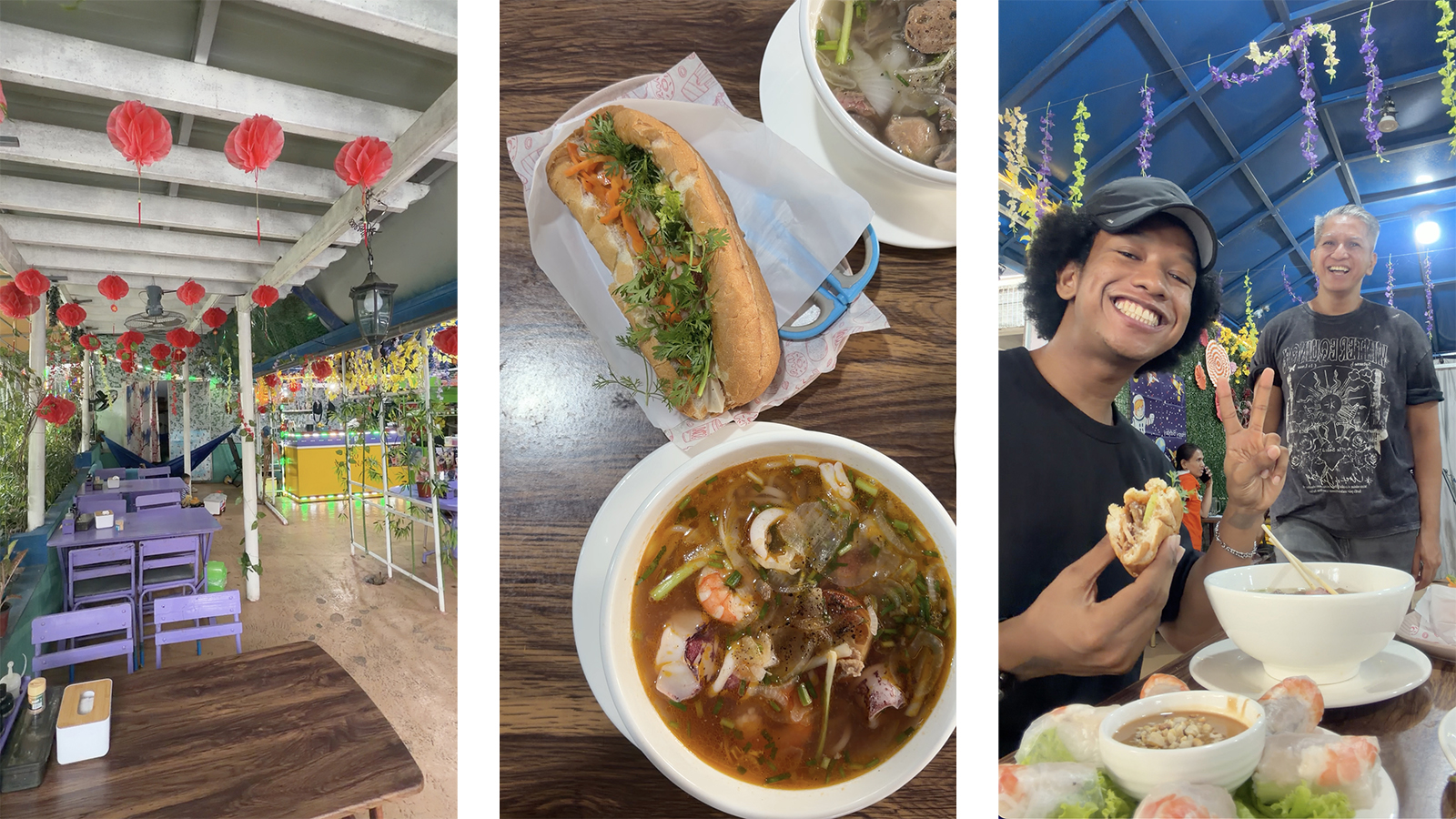
Vietnamese food in San Pablo City’s Pho Viet Nam
When we came across Facebook posts on Pho Viet Nam in San Pablo City in Laguna, we expected to encounter what was experienced in Vietnam (i.e. good food over so-so venue). We expected too much…

BizListing
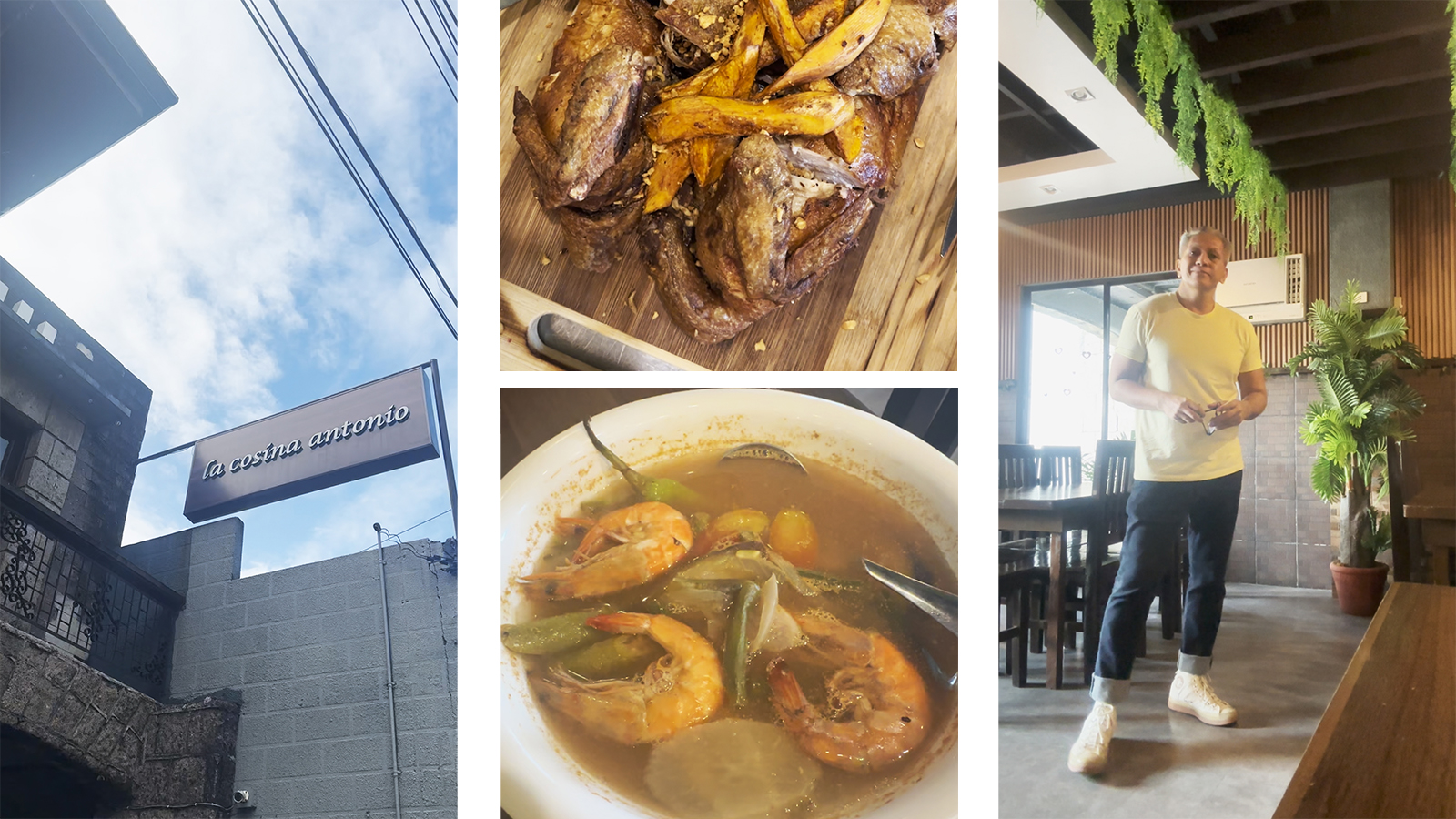
Focus on good food and good service at La Cosina Antonio
We found our #LGBT selves in #Pila, #Laguna, where we ended up checking La Cosina Antonio.
BizListing
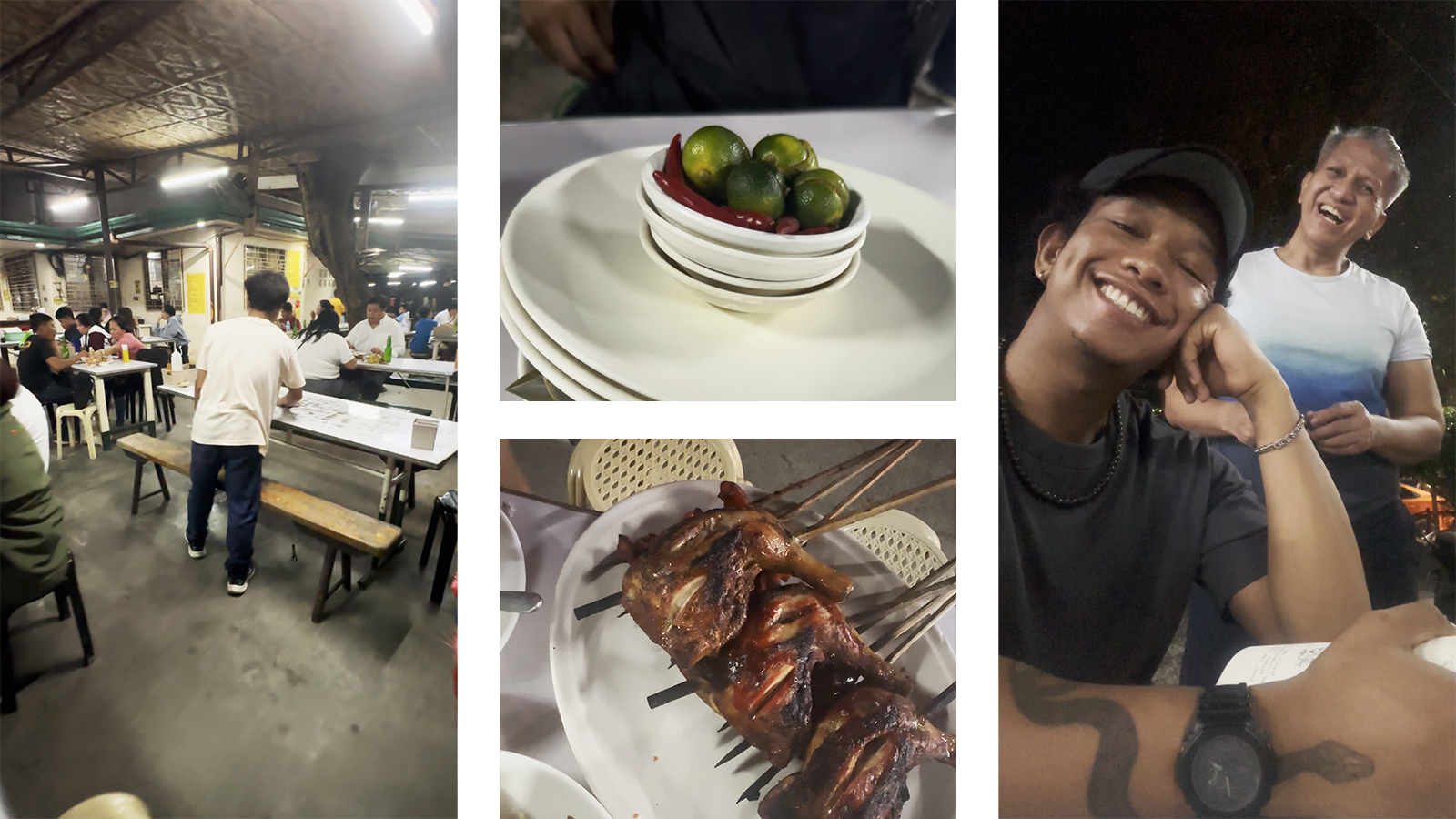
Dining in the open in Cebu Province? Check out Mandaue City’s Matias BBQ
#Mandaue City’s #MatiasBBQ is worth checking as your #LGBT alternative to dining in the open in #Cebu.

2GO mobilizes volunteers, supports nationwide coastal cleanup with logistics and supplies

Learning from 3 Filipino entrepreneurs who grew their negosyo

As local businesses grow, digital tools help stay flexible amid changing customer behavior

RENTAPASADA offers Filipino drivers a more accessible path to ride-hailing income

Many MSMEs remain vulnerable to disruptions beyond their control

Vietnamese food in San Pablo City’s Pho Viet Nam

Firms can undermine staff ability to organize… and this isn’t good

Empowering the next wave of Filipino freelancers in Pampanga

Office owners or managers, take note: Increased risk of bullying in open-plan offices

3 Lessons from women who successfully built careers in freelancing
Empowering the next wave of Filipino freelancers in Pampanga

Focus on service: Lessons from Caltex station employees
Vietnamese food in San Pablo City’s Pho Viet Nam
Firms can undermine staff ability to organize… and this isn’t good
RENTAPASADA offers Filipino drivers a more accessible path to ride-hailing income
Many MSMEs remain vulnerable to disruptions beyond their control

Biz strategy of Quento: Forget discrimination and capture as many as possible

FFTG as a must-visit cafe… and safe space in Quezon City

5 Video marketing tips

How to successfully market your biz as green

What to do before a ransomware attack

Smart advice to find success
-
 BizNews4 weeks ago
Office owners or managers, take note: Increased risk of bullying in open-plan offices
-
 BizWiz4 weeks ago
3 Lessons from women who successfully built careers in freelancing
-
 BizWiz4 weeks ago
Empowering the next wave of Filipino freelancers in Pampanga
-
 BizWiz4 weeks ago
Focus on service: Lessons from Caltex station employees
-
 BizListing3 weeks ago
Vietnamese food in San Pablo City’s Pho Viet Nam
-
 BizNews3 weeks ago
Firms can undermine staff ability to organize… and this isn’t good
-
 BizNews1 day ago
RENTAPASADA offers Filipino drivers a more accessible path to ride-hailing income
-
 BizNews1 day ago
Many MSMEs remain vulnerable to disruptions beyond their control