
BizListing
Say hello to this LGBTQIA-themed tarot deck
Introducing the Rainbow Seekers Tarot, what Henson Wongaiham describes as “a testament of the LGBTQIA people – our triumphs, adversities, and our quest to love and be loved.” It can be used for divination, meditation, self-reflection, or even for fun.


“Creating an LGBTQIA- themed tarot deck was never part of my life plan,” said Henson Wongaiham, a certified tarot master and advertising professional from Manila. Instead, there was this “unexpected yet seemingly divine development which I boldly decided to pursue.”
But Henson said that it was always “a personal struggle of mine to find an inclusive tarot deck that I can fully resonate with.” And though the physical deck may have taken almost a year to create, this may actually have been a work-in-progress for decades.
And so introducing the Rainbow Seekers Tarot, what Henson describes as “a testament of the LGBTQIA people – our triumphs, adversities, and our quest to love and be loved.” It can be used for divination, meditation, self-reflection, or even for fun. There are no set rules to using this deck.

GUIDED FOR TRANSFORMATION
In the development of the Rainbow Seekers Tarot, Henson said he did not hesitate to seek help when he felt the need.
“I consulted on art, since I don’t consider myself an artist and I can’t draw to save my life. I also sought help to edit the guidebook. Furthermore, I sought the help of my spirit guides to transform seemingly basic shapes and colors into art as an instrument of empowerment,” he said.
And the collaborative effort shows, helping make these cards different from those already out in the market.
“Generally, where a lot of tarot and oracle cards have complex, detailed, and mind-blowing artwork, the Rainbow Seekers Tarot took the minimalist, graphic route. It used preset shapes and colors to form powerful images that capture how I personally understand the tarot. Somehow, despite the minimalist design, the cards are still extra open to interpretation,” Henson said.
True to its name, though, “what makes this deck unique is how it incorporates Pride flags into the card designs while still trying to convey the traditional meaning of the tarot card.”
There’s also a tribute to the Philippines in one of the cards, too, since this is a proudly Filipino-made deck.

DEALING WITH INTERSECTION
The fact is, there’s an analogy – in a manner of speaking, i.e. the use of tarot cards remains non-mainstream, just as the LGBTQIA community as a whole is also still largely misunderstood.
For Henson, “there is definitely an intersection. Imagine, two taboo topics in one Rainbow Seekers Tarot: 1) Tarot, which, for some, are still believed to be evil, and 2) LGBTQIA, which admittedly, is merely tolerated and not accepted. Bingo na Bingo, di ba?”
But for him, that these are seen as “taboo” at all “are products of colonization and the patriarchal system that came with it.” And “we must learn to unlearn.”
Henson added: “We need to start having these conversations to educate people that: 1) Tarot is not evil; It can be used as a tool for empowerment; and 2) LGBTQIA people are not abominations; we are people worthy of love.”

GRAB, GRAB, GRAB
There is no need to be part of the LGBTQIA community, or be a tarot reader to be able to use this deck.
“We’re all seeking our own rainbow. Anyone can use the Rainbow Seekers Tarot to empower him/her/them to find his/her/their own rainbow, whatever it may be,” Henson ended.
The Rainbow Seekers Tarot comes with a bonus “When Oracle: Rainbow Edition”, which was done in collaboration with Ledz Lim. The basic set (Rainbow Seekers Tarot plus a bonus When Oracle: Rainbow Edition) cost PhP1,234.
The Rainbow Seekers Tarot also has special sets with crystals, spell jar, candle and bracelet – all rainbow themed. These magical rainbow items are from Chakras.ph, Eclectic Femina PH, Marikit MNL Candle Co., and House of Mystics.
For information or to order, head to IG: @king.of.rainbows.
BizListing
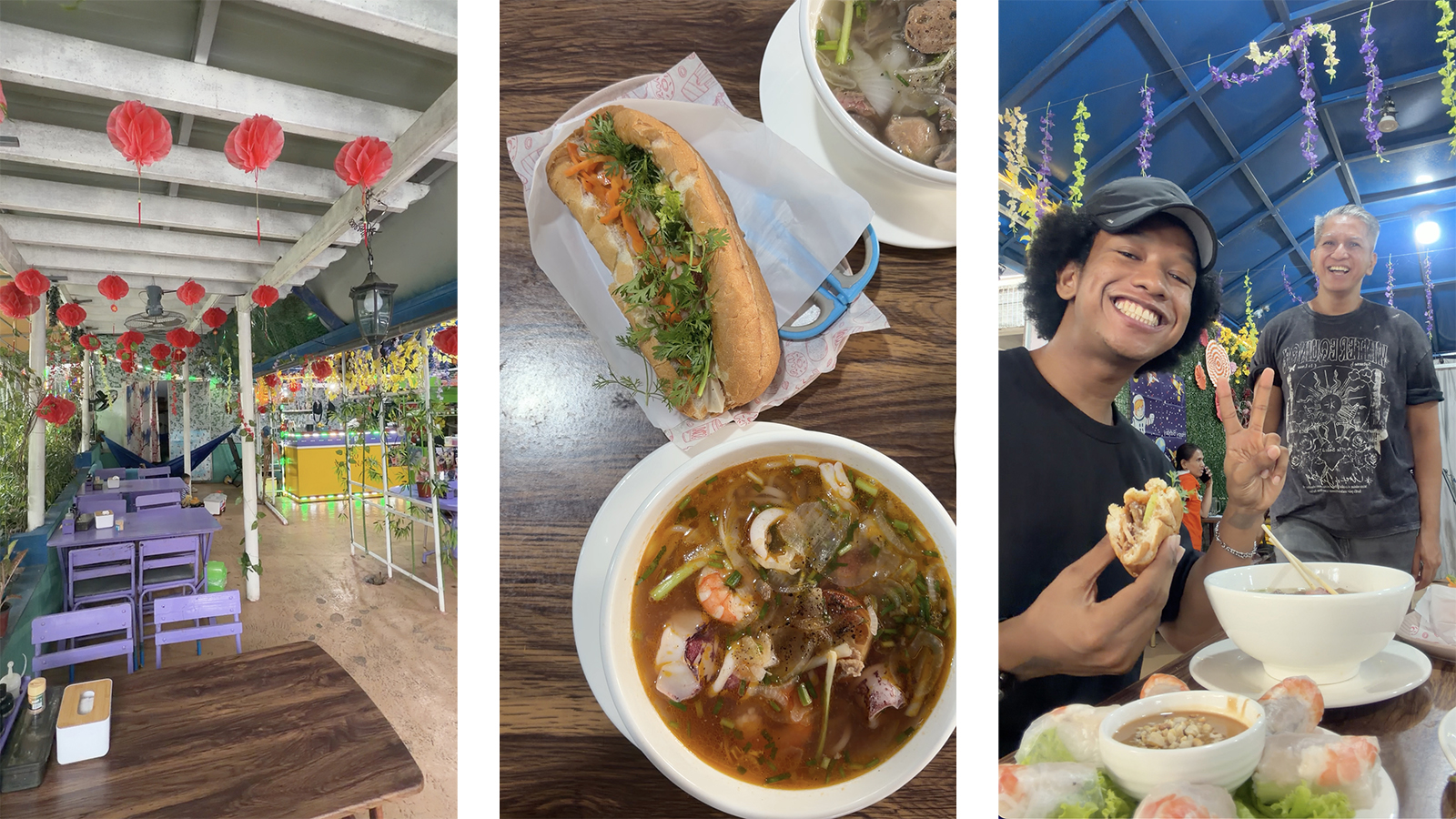
Vietnamese food in San Pablo City’s Pho Viet Nam
When we came across Facebook posts on Pho Viet Nam in San Pablo City in Laguna, we expected to encounter what was experienced in Vietnam (i.e. good food over so-so venue). We expected too much…

BizListing
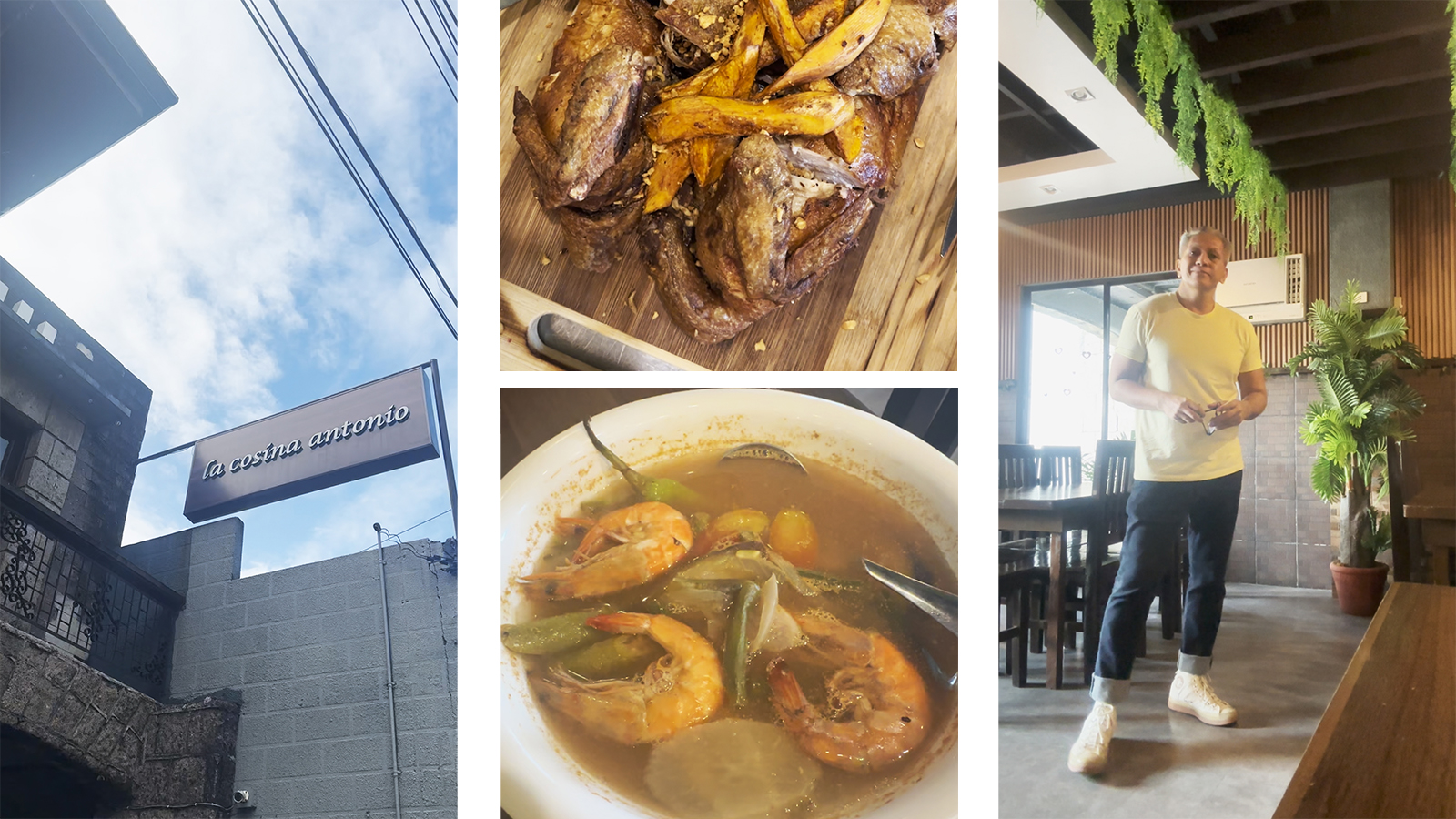
Focus on good food and good service at La Cosina Antonio
We found our #LGBT selves in #Pila, #Laguna, where we ended up checking La Cosina Antonio.
BizListing
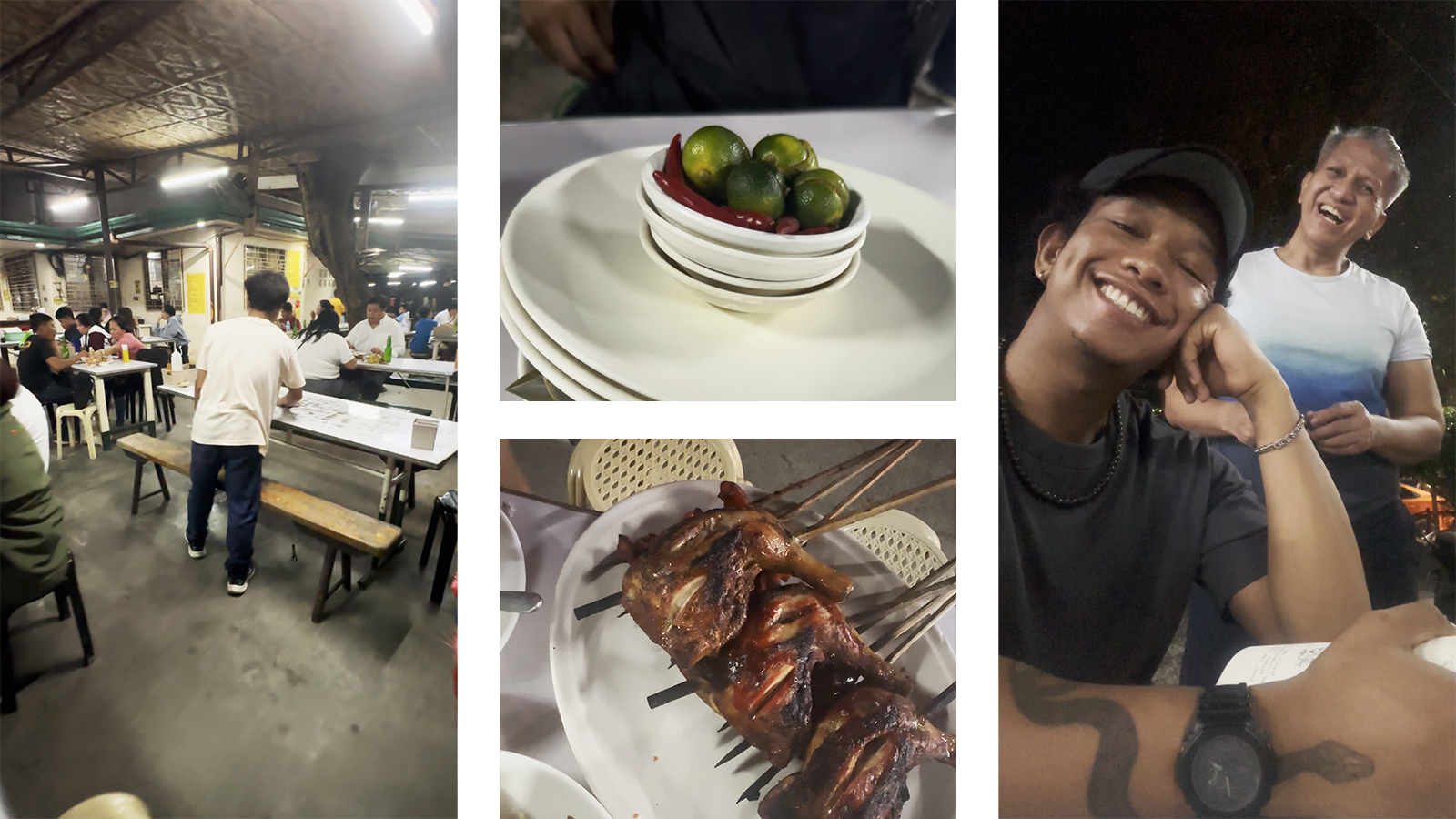
Dining in the open in Cebu Province? Check out Mandaue City’s Matias BBQ
#Mandaue City’s #MatiasBBQ is worth checking as your #LGBT alternative to dining in the open in #Cebu.

Toyota PH supports Tamaraw conservation in Mindoro, donates PHP3 million

Manulife expands financial literacy, clean water programs in PH

2GO mobilizes volunteers, supports nationwide coastal cleanup with logistics and supplies

Learning from 3 Filipino entrepreneurs who grew their negosyo

As local businesses grow, digital tools help stay flexible amid changing customer behavior

RENTAPASADA offers Filipino drivers a more accessible path to ride-hailing income

Many MSMEs remain vulnerable to disruptions beyond their control

Vietnamese food in San Pablo City’s Pho Viet Nam
Manulife expands financial literacy, clean water programs in PH
Learning from 3 Filipino entrepreneurs who grew their negosyo
RENTAPASADA offers Filipino drivers a more accessible path to ride-hailing income
As local businesses grow, digital tools help stay flexible amid changing customer behavior
Many MSMEs remain vulnerable to disruptions beyond their control
2GO mobilizes volunteers, supports nationwide coastal cleanup with logistics and supplies
Toyota PH supports Tamaraw conservation in Mindoro, donates PHP3 million

Biz strategy of Quento: Forget discrimination and capture as many as possible

FFTG as a must-visit cafe… and safe space in Quezon City

5 Video marketing tips

How to successfully market your biz as green

What to do before a ransomware attack

Smart advice to find success
-
 Ethical Biz7 days ago
Manulife expands financial literacy, clean water programs in PH
-
 BizWiz1 week ago
Learning from 3 Filipino entrepreneurs who grew their negosyo
-
 BizNews1 week ago
RENTAPASADA offers Filipino drivers a more accessible path to ride-hailing income
-
 BizNews1 week ago
As local businesses grow, digital tools help stay flexible amid changing customer behavior
-
 BizNews1 week ago
Many MSMEs remain vulnerable to disruptions beyond their control
-
 Ethical Biz1 week ago
2GO mobilizes volunteers, supports nationwide coastal cleanup with logistics and supplies
-
 Ethical Biz3 days ago
Toyota PH supports Tamaraw conservation in Mindoro, donates PHP3 million