
Strategies
Cybersecurity tips to help small businesses
Unfortunately, business disruption and reduced sales aren’t the only COVID-related issues small business owners dealt with in 2020.



At a time of rising costs and economic uncertainty, freelancing has emerged as a growing source of opportunity. As more Filipinos turn to freelancing as a viable long-term career, many are adopting digital tools like the GCash Virtual US Account to simplify cross-border payments.
Recognizing this, the GCash Freelancer Connect, a series of community events designed to bring freelancers based in different cities in the country, made its way to Pampanga for its first regional leg. Attendees gathered to learn from speakers KD Creatives and Dani Jacobe, who led practical sessions on how to diversify income streams, charge more competitive prices, and build greater financial confidence with the support of tools like GCash. Here are key insights shared during the event:
1. Strong relationships create steady opportunities
With more Filipinos entering the freelancing industry, standing out has become a bigger challenge. For Dani Jacobe, building meaningful connections – and knowing how to communicate value clearly – makes all the difference.
“Your goal is not just to find one client. Your goal is to build a system that helps you keep finding and serving clients,” she shared.
What she has learned over the years is that outreach should go beyond simply introducing one’s services. Freelancers should learn to identify problems, offer clear solutions, and create opportunities for intentional conversations from the very beginning.
“Your skill becomes more valuable when you connect it to a specific business need,” she added.
2. Be confident in your worth
For Kyla Dizon, the journey to becoming “KD Creatives” didn’t happen overnight. Before building her online community around content creation and offering digital guides and advice through her platform, she experienced self-doubt and pressure as a young freelancer. One area where that hit hard was in communicating her value to potential clients.
“The truth is, a lot of freelancers are incredibly talented, but still undercharge because they haven’t fully recognized the value of what they bring to the table,” she explained.
The turning point came when she stopped pricing from a place of fear or being scared that clients would walk away because she’d be too expensive and instead, began pricing from a place of confidence. But that confidence, Kyla noted, came only once she fully embraced her personal brand as a freelancer.
“Now, I approach pricing differently — not based on fear, but on the value and experience I know I can deliver,” she explained. During the Freelancer Connect, she urged attendees to use a pricing matrix, which she has made available online, to accurately determine how much they should charge clients for the services they offer.
3. Receiving payments should not feel complicated
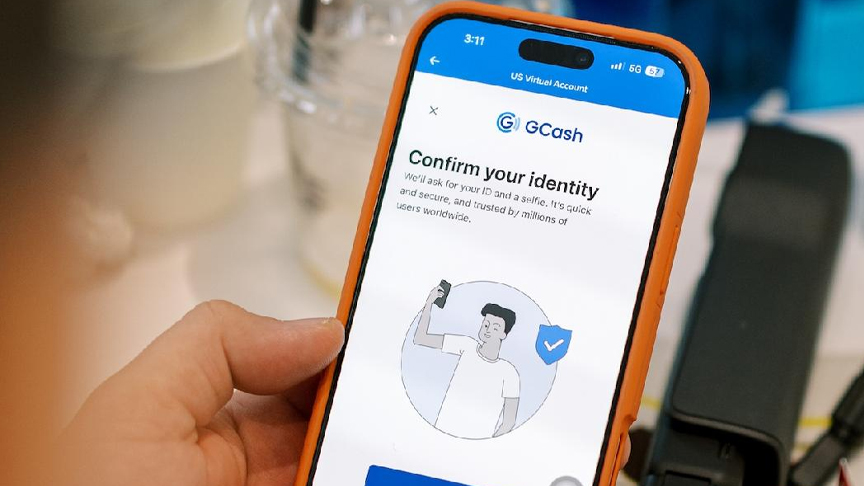
Another common challenge freelancers face is receiving payments, especially from overseas clients, where the process is often inefficient. To address this, GCash has introduced the Virtual US Account, a feature designed to make receiving USD payments easier.
Users can now receive USD transfers directly from US-based clients using their own routing and account numbers, similar to a traditional US bank, within the GCash app. This feature helps freelancers avoid unnecessary deductions, hidden fees, and lengthy transfer processes, while also ensuring competitive forex rates. Users can convert their USD to PHP when it is most favorable for them – they have full control of when they want to withdraw it into their GCash e-wallet.
“We want to ensure that freelancers in the Philippines can receive and manage their money in the most convenient way possible and in a manner that ensures they don’t lose so much of their hard-earned cash. Once in your Virtual US Account, you can access and manage your earnings instantly inside the GCash app – whether that’s converting to PHP, paying bills, buying load, or even growing your wealth through our financial services,” shared Sophia Sison, Product Manager under the International Business Group at GCash.
Create your Virtual US Account today
As freelancing continues to grow across the country, GCash hopes initiatives like the Freelancer Connect can help create more spaces where freelancers feel supported — not just financially, but as a community navigating a rapidly changing world of work together.
Creating your Virtual US Account is easy:
- Open the GCash app – Tap US Accounts in the Explore the App section
- Tap Continue and verify your information
- Complete your account creation
BizWiz
3 Lessons from women who successfully built careers in freelancing
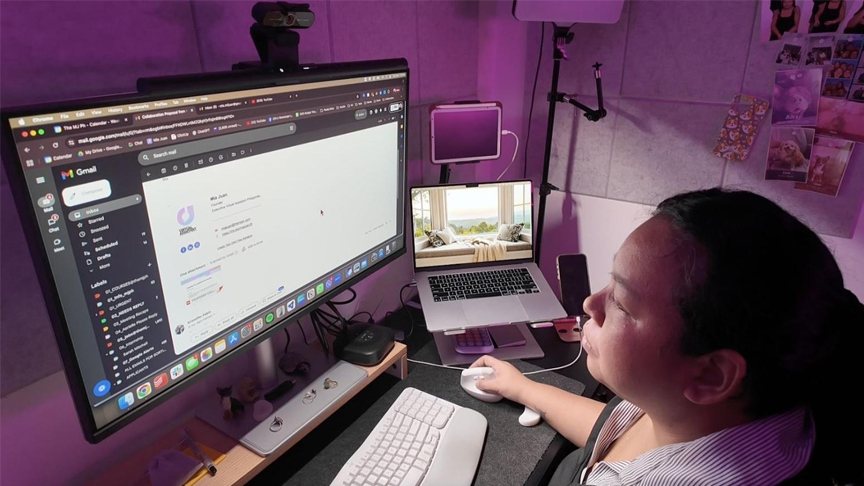
Freelancers face inconsistent income, unpredictable clients, and little guidance on how to navigate it all. For longtime freelancers Mia Juan and Dana Novales, building a career online has meant learning these lessons in real time.
BizWiz
Focus on service: Lessons from Caltex station employees
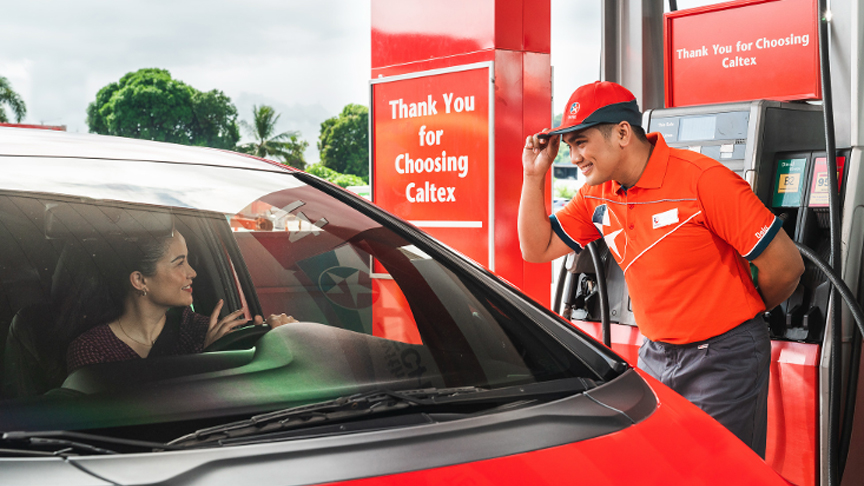
All work—regardless of the profession or industry—serves a deeper purpose in society for as long as it is done with integrity and passion.

Toyota PH supports Tamaraw conservation in Mindoro, donates PHP3 million

Manulife expands financial literacy, clean water programs in PH

2GO mobilizes volunteers, supports nationwide coastal cleanup with logistics and supplies

Learning from 3 Filipino entrepreneurs who grew their negosyo

As local businesses grow, digital tools help stay flexible amid changing customer behavior

RENTAPASADA offers Filipino drivers a more accessible path to ride-hailing income

Many MSMEs remain vulnerable to disruptions beyond their control

Vietnamese food in San Pablo City’s Pho Viet Nam
Manulife expands financial literacy, clean water programs in PH
Learning from 3 Filipino entrepreneurs who grew their negosyo
RENTAPASADA offers Filipino drivers a more accessible path to ride-hailing income
As local businesses grow, digital tools help stay flexible amid changing customer behavior
Many MSMEs remain vulnerable to disruptions beyond their control
2GO mobilizes volunteers, supports nationwide coastal cleanup with logistics and supplies
Toyota PH supports Tamaraw conservation in Mindoro, donates PHP3 million

Biz strategy of Quento: Forget discrimination and capture as many as possible

FFTG as a must-visit cafe… and safe space in Quezon City

5 Video marketing tips

How to successfully market your biz as green

What to do before a ransomware attack

Smart advice to find success
-
 Ethical Biz1 week ago
Manulife expands financial literacy, clean water programs in PH
-
 BizWiz2 weeks ago
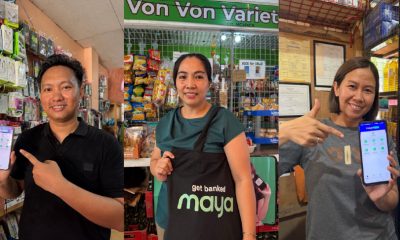
Learning from 3 Filipino entrepreneurs who grew their negosyo
-
 BizNews2 weeks ago
RENTAPASADA offers Filipino drivers a more accessible path to ride-hailing income
-
 BizNews2 weeks ago
As local businesses grow, digital tools help stay flexible amid changing customer behavior
-
 BizNews2 weeks ago
Many MSMEs remain vulnerable to disruptions beyond their control
-
 Ethical Biz1 week ago
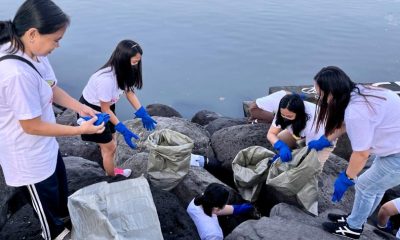
2GO mobilizes volunteers, supports nationwide coastal cleanup with logistics and supplies
-
 Ethical Biz4 days ago
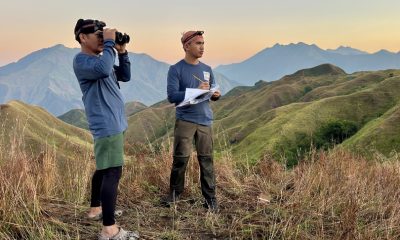
Toyota PH supports Tamaraw conservation in Mindoro, donates PHP3 million