
Strategies
Tips for SMBs: What to do before, during and after a ransomware attack?
As more economies in Southeast Asia re-open after different forms of lockdown, Kaspersky’s experts have several important and useful tips for restarting business safe from the ransomware threat.


Over three years after the infamous Wannacry ransomware, its costly aftermath still remains a vivid glimpse on the damage cybercriminals can do by kidnapping companies’ essential data. This threat is undoubtedly present as just this month, operations of an automobile giant were halted in several parts of the world after a successful attack by another ransomware dubbed as SNAKE (also known as EKANS).
Kaspersky’s latest statistics for small and medium businesses (SMBs) in Southeast Asia (SEA) show the same story. In the first three months of the year, the global cybersecurity company’s solutions have blocked a total of 269,204 ransomware attempts against businesses in the region with a total of 20-250 employees.
“Globally, we can say that ransomware has reached its peak years ago. It has gradually decreased in number, however, it is fast becoming business-centric. Based on our latest research, one-in-three ransomware attacks are now targeting business users. So while the total number of ransomware attempts detected in the region is 69% lower compared with the same period last year, the risks of SMBs and enterprises losing their data and their cash because of this threat is still ever-present. The good news is that there are effective ways to protect SMB’s much-needed cash flow from becoming payment to get their kidnapped data back,” says Yeo Siang Tiong, general manager for Southeast Asia at Kaspersky.
As more economies in Southeast Asia re-open after different forms of lockdown, Kaspersky’s experts have several important and useful tips for restarting business safe from the ransomware threat.
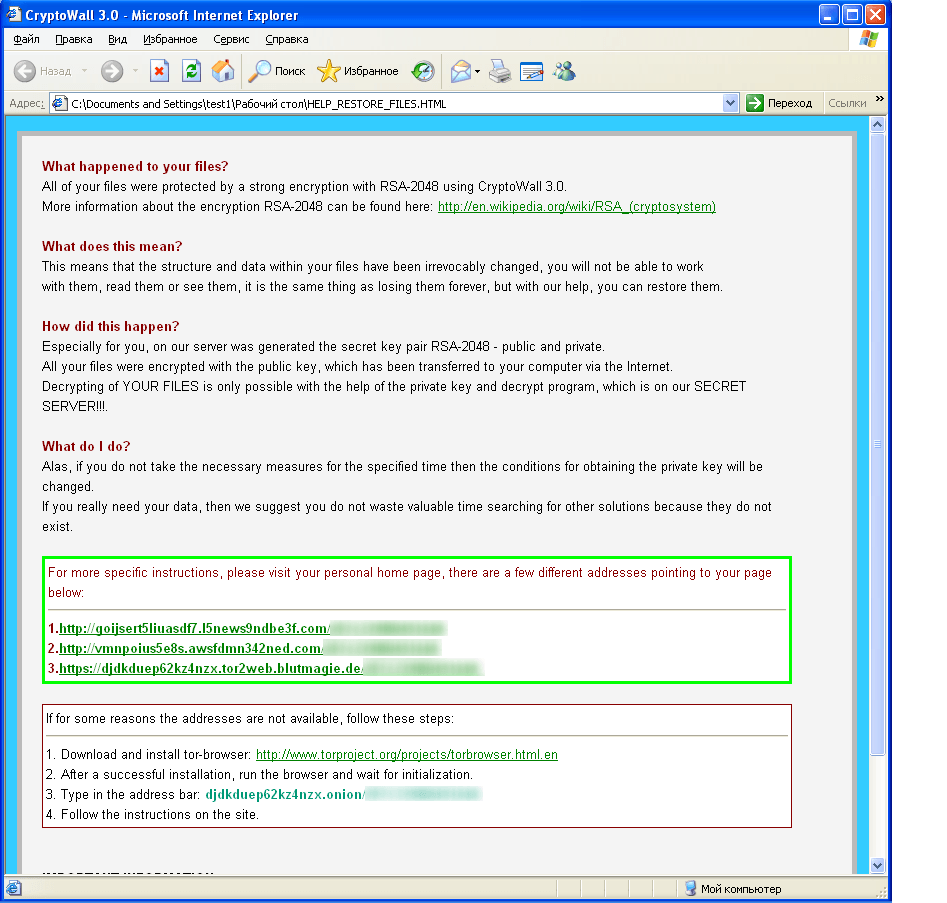
BEFORE A RANSOMWARE ATTACK
Back-up, back-up, back-up
Always have fresh back-up copies of your files so you can replace them in case they are lost (e.g. due to malware or a broken device) and store them not only on the physical object but also in cloud storage for greater reliability. Make sure you can quickly access them in an emergency when needed.
Educate your employees
Build a shared sense of responsibility inside your company. Explain to your employees how following simple rules can help a company avoid ransomware incidents. Create employee and operational control policies that cover aspects of network management and facilities, including password renewal regulations, incident handling, access control rules, protecting sensitive data and more.
Layered security in everything
Literally everything. Security means safeguarding all data touchpoints within your network, may it be via hardware devices or software platforms.
Update, update, update
It is essential to install all security updates as soon as they become available. Always update your operating system and software to eliminate recent vulnerabilities.
Use a ransomware tool
SMBs can also try a free Kaspersky Anti-Ransomware Tool for Business. Its recently updated version contains an exploit prevention feature to prevent ransomware and other threats from exploiting vulnerabilities in software and applications. It is also helpful for customers that use Windows 7: with the end of support of Windows 7, new vulnerabilities in this system won’t be patched by the developer.
DURING and AFTER A RANSOMWARE ATTACK
Unblock your computer; remove the malware
If you find your computer blocked — it won’t load the operating system — use Kaspersky WindowsUnlocker, a free utility that can remove a blocker and get Windows to boot.
Cryptors are a harder nut to crack. First, you need to get rid of the malware by running an antivirus scan.
Don’t pay, do report
Remember that ransomware is a criminal offense. Do not pay the amount the perpetrators is asking in exchange for your data. If you become a victim, report it to your local law enforcement agency.
Get your files back; look for a decryptor
If you have a backup copy of your files, you can simply restore your files from the backup. That is by far your best shot. If you haven’t made backups, you can try to decrypt files by using special utilities called decryptors. All of the free decryptors created by Kaspersky can be found at Noransom.kaspersky.com.
Other antivirus companies also develop decryptors. One thing: Be very sure you’re downloading these programs from a reputable website; otherwise you run a high risk of getting infected by some other malware.
Involve the experts
If the decryptor is not available online, contact your trusted cybersecurity vendor to check if they have a decryption tool for the ransomware that has attacked you.






BizWiz
Focus on service: Lessons from Caltex station employees
All work—regardless of the profession or industry—serves a deeper purpose in society for as long as it is done with integrity and passion.


At a time of rising costs and economic uncertainty, freelancing has emerged as a growing source of opportunity. As more Filipinos turn to freelancing as a viable long-term career, many are adopting digital tools like the GCash Virtual US Account to simplify cross-border payments.
Recognizing this, the GCash Freelancer Connect, a series of community events designed to bring freelancers based in different cities in the country, made its way to Pampanga for its first regional leg. Attendees gathered to learn from speakers KD Creatives and Dani Jacobe, who led practical sessions on how to diversify income streams, charge more competitive prices, and build greater financial confidence with the support of tools like GCash. Here are key insights shared during the event:
1. Strong relationships create steady opportunities
With more Filipinos entering the freelancing industry, standing out has become a bigger challenge. For Dani Jacobe, building meaningful connections – and knowing how to communicate value clearly – makes all the difference.
“Your goal is not just to find one client. Your goal is to build a system that helps you keep finding and serving clients,” she shared.
What she has learned over the years is that outreach should go beyond simply introducing one’s services. Freelancers should learn to identify problems, offer clear solutions, and create opportunities for intentional conversations from the very beginning.
“Your skill becomes more valuable when you connect it to a specific business need,” she added.
2. Be confident in your worth
For Kyla Dizon, the journey to becoming “KD Creatives” didn’t happen overnight. Before building her online community around content creation and offering digital guides and advice through her platform, she experienced self-doubt and pressure as a young freelancer. One area where that hit hard was in communicating her value to potential clients.
“The truth is, a lot of freelancers are incredibly talented, but still undercharge because they haven’t fully recognized the value of what they bring to the table,” she explained.
The turning point came when she stopped pricing from a place of fear or being scared that clients would walk away because she’d be too expensive and instead, began pricing from a place of confidence. But that confidence, Kyla noted, came only once she fully embraced her personal brand as a freelancer.
“Now, I approach pricing differently — not based on fear, but on the value and experience I know I can deliver,” she explained. During the Freelancer Connect, she urged attendees to use a pricing matrix, which she has made available online, to accurately determine how much they should charge clients for the services they offer.
3. Receiving payments should not feel complicated
Another common challenge freelancers face is receiving payments, especially from overseas clients, where the process is often inefficient. To address this, GCash has introduced the Virtual US Account, a feature designed to make receiving USD payments easier.
Users can now receive USD transfers directly from US-based clients using their own routing and account numbers, similar to a traditional US bank, within the GCash app. This feature helps freelancers avoid unnecessary deductions, hidden fees, and lengthy transfer processes, while also ensuring competitive forex rates. Users can convert their USD to PHP when it is most favorable for them – they have full control of when they want to withdraw it into their GCash e-wallet.
“We want to ensure that freelancers in the Philippines can receive and manage their money in the most convenient way possible and in a manner that ensures they don’t lose so much of their hard-earned cash. Once in your Virtual US Account, you can access and manage your earnings instantly inside the GCash app – whether that’s converting to PHP, paying bills, buying load, or even growing your wealth through our financial services,” shared Sophia Sison, Product Manager under the International Business Group at GCash.
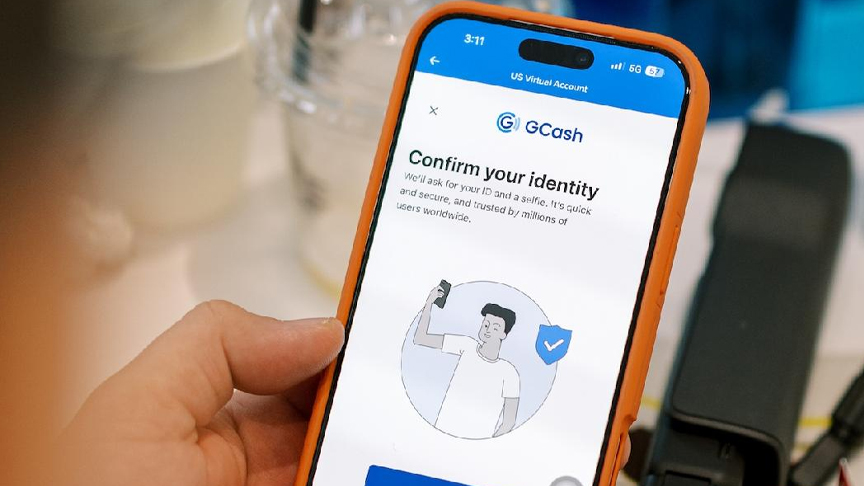
Create your Virtual US Account today
As freelancing continues to grow across the country, GCash hopes initiatives like the Freelancer Connect can help create more spaces where freelancers feel supported — not just financially, but as a community navigating a rapidly changing world of work together.
Creating your Virtual US Account is easy:
- Open the GCash app – Tap US Accounts in the Explore the App section
- Tap Continue and verify your information
- Complete your account creation
BizWiz
3 Lessons from women who successfully built careers in freelancing
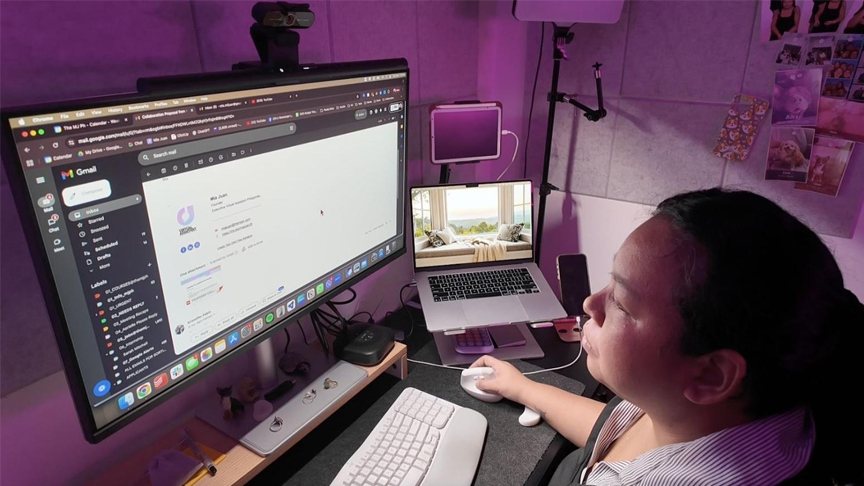
Freelancers face inconsistent income, unpredictable clients, and little guidance on how to navigate it all. For longtime freelancers Mia Juan and Dana Novales, building a career online has meant learning these lessons in real time.

Focus on good food and good service at La Cosina Antonio

Focus on service: Lessons from Caltex station employees

FedEx Cares helps 2,400 Filipino students start the school year healthier

AXA Philippines mobilizes over 2,000 employees nationwide to support communities through volunteerism

Dining in the open in Cebu Province? Check out Mandaue City’s Matias BBQ

Empowering the next wave of Filipino freelancers in Pampanga

3 Lessons from women who successfully built careers in freelancing

Reminder to marketing people: Missing information can misinform

Long-serving CEOs may weaken innovation, study finds

Profit alone is a poor measure of success, study shows companies can look efficient while harming the planet
Reminder to marketing people: Missing information can misinform

Office owners or managers, take note: Increased risk of bullying in open-plan offices
3 Lessons from women who successfully built careers in freelancing
Dining in the open in Cebu Province? Check out Mandaue City’s Matias BBQ
AXA Philippines mobilizes over 2,000 employees nationwide to support communities through volunteerism
Focus on service: Lessons from Caltex station employees

Biz strategy of Quento: Forget discrimination and capture as many as possible

FFTG as a must-visit cafe… and safe space in Quezon City

5 Video marketing tips

How to successfully market your biz as green

What to do before a ransomware attack

Smart advice to find success
-
 BizNews4 weeks ago
Long-serving CEOs may weaken innovation, study finds
-
 BizNews4 weeks ago
Profit alone is a poor measure of success, study shows companies can look efficient while harming the planet
-
 BizNews4 weeks ago
Reminder to marketing people: Missing information can misinform
-
 BizNews4 weeks ago
Office owners or managers, take note: Increased risk of bullying in open-plan offices
-
 BizWiz4 weeks ago
3 Lessons from women who successfully built careers in freelancing
-
 BizListing4 weeks ago
Dining in the open in Cebu Province? Check out Mandaue City’s Matias BBQ
-
 Ethical Biz3 weeks ago
AXA Philippines mobilizes over 2,000 employees nationwide to support communities through volunteerism
-
 BizWiz3 weeks ago
Focus on service: Lessons from Caltex station employees