Connect with us

BizListing

How a century-old guitar business strikes a chord in the modern market

Throughout the years, Ferangeli Guitar Handcrafters has been among the most trusted names in the industry. It consistently grows its following by providing value added services such as making custom-built pieces, repairs, and new string instruments like ukuleles.

Published

on

For many generations, the guitar-making industry of Cebu has been thriving, reflecting people’s undying love for music. Customers have come from far and wide to own a Cebu-made guitar, regarded for its superb sound and playability.  

Steve Dagoc, marketing manager of the Ferangeli Guitar Handcrafter, recounts how it all began. “It was the Spaniards who first settled in Cebu that passed on the art and skill of guitar-making to Filipinos. In 1919, my grandfather ventured into making handcrafted instruments.”

The love for the craft never left the family, as Steve’s father was a classical guitar player in the University of San Jose-Recoletos varsity team before it was his turn to run the shop. He saw distinction in their products and recognized the potential in elevating their craft.

The business began formally operating in the 70s under the name “Custom Guitar” in Lincoln Street, Cebu City. By the late 80s and 90s, they moved to a location that couldn’t be any better – a popular tourist destination and the province’s guitar-making capital, Lapu-Lapu City, Cebu.  Grounded in musical expertise and the vision to capture a greater market, the Dagoc family rebranded the shop and called it – Ferangeli Guitar Handcrafter – a portmanteau of Steve’s parent’s names: Fernando and Angelita.  The business not only produced high quality instruments for music lovers but also income opportunities for skilled luthiers in the area.

Continuing the legacy

Throughout the years, Ferangeli Guitar Handcrafters has been among the most trusted names in the industry. It consistently grows its following by providing value added services such as making custom-built pieces, repairs, and new string instruments like ukuleles. 
Steve emphasizes the importance of using the best quality of wood to produce the best quality instruments. With the country’s rich natural resources, it’s no surprise that locally made Cebu guitars have a strong competitive edge. “A few years ago, it was rare to find mango-wood guitars in the United States. They couldn’t even believe that it could be made into great-sounding instruments.” 

“Mango wood produces warm and mellow tones while Jackfruit makes bright tones. We also have a Gel-Series guitar collection, made of Narra plywood, a more affordable option, but still made of fine quality solid wood. We pay close attention to the assembly of our instruments because there are many factors that affect sound quality.”  

Marching to a new beat

The young entrepreneur also continues to strengthen their online presence and has found a dependable logistics provider in FedEx. 

FedEx understands that shipping guitars comes with a specific set of standards to ensure their pristine condition. The instruments are packed in specially made hard cases that must be kept in low humidity packaging and be able to withstand temperature changes once it leaves the Philippines and journeys to other countries. FedEx is no stranger to shipping curious items that require special handling like turtle eggs, wine, and even white tigers.

“To compete in the global arena, we have to constantly revamp our operations to keep up with the times. We have been exporting for quite some time now. Customers are recognizing our brand and inquiring through emails. While we became known by word-of-mouth, I know that’s not enough.”

Ferangeli’s foray into online retail was marked by a static website, containing only basic product information. Now, that website has evolved into an e-commerce platform that is able to seamlessly deliver the gift of music around the world, exporting to customers in Switzerland, France, and the United States. As Ferangeli ramps up to cater to growing cross border sales, they trust FedEx to provide logistics solutions and tools. 

“Fedexenables us to easily manage our deliveries and determine the right shipping rates for our customers through the FedEx Ship Manager and Billing Online.”

FedEx has a network built for what’s next and is able to support SMEs to go global even in shifting global trade patterns. Visit the FedEx LinkedIn page  to get inspired by the success stories of entrepreneurs and enterprises across the Asia Pacific region.

Experience the legacy of world-class craftsmanship and witness how Cebu’s Ferangeli explores new genres, and more on Facebook, Instagram, and YouTube. 

BizListing

Business lesson from Aling Lucing: Be an original

For this #LGBT wandering, checking #AlingLucing in #Pampanga, where #sisig originated.

Published

on

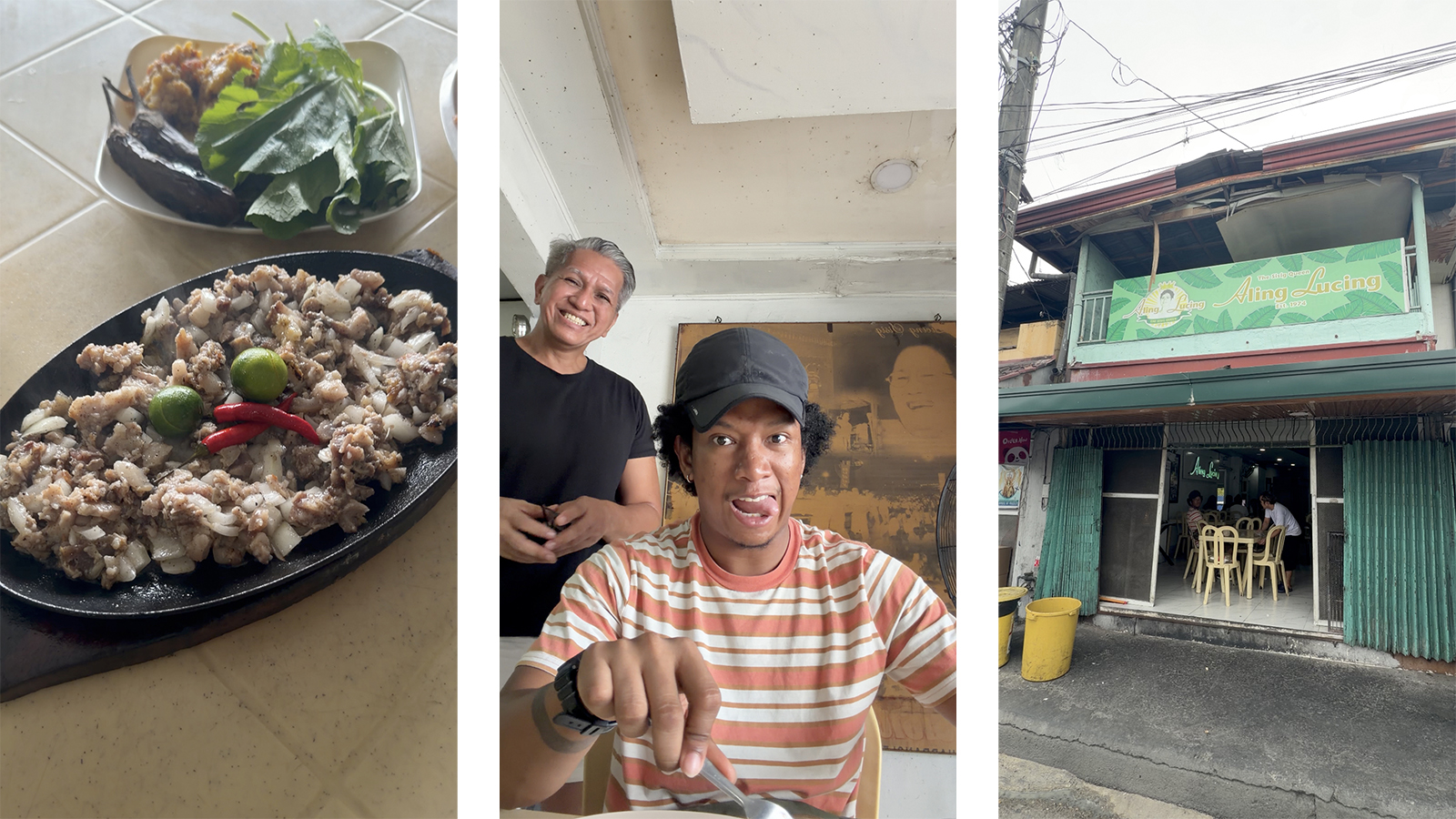
Reviewing Aling Lucing, particularly its sisig, is tricky. This is the resto that invented, or reinvented, sisig, that popular Kapampangan dish. And as the original, all versions of sisig should be compared to it, not the other way around. Anyway, we found ourselves in Pampanga, and while there, we headed to Aling Lucing to be where culinary history was made.

Una, the place is easy to find since it is, basically, a landmark. Google na lang. Or ask around. You will be guided accordingly. BTW: there is only on street parking, and it’s very limited.

Ikalawa, the venue isn’t for the faint of heart. This is a karinderya, let’s be blunt; a rundown karinderya. There, you’d see old tables and chairs, dirty surfaces, and so on. We could see the uncollected trash from where we were seated, and were pestered by bangaw while eating.

Ikatlo, the workers weren’t the friendliest – e.g. we had to repeatedly ask for our table to be cleaned, plates and cutlery to be provided, followed up orders, and so on.

Ika-apat, how was the food?

So, Lucía “Aling Lucing” Lagman Cunanan supposedly created the sisig that we now know. Now sold from ₱260, this was not bad at all. But it’s also somewhat plain. Ganito, if you’re a sisig fan, remove all the add-ons like eggs, mayonnaise, and so on, and you’d get the Aling Lucing version.

The ₱295 crispy kare-kare was deconstructed – i.e. the ingredients weren’t mixed, but served side by side. It could have worked, considering the veggies were yummy, but we had issues with the too fatty meat slices.

The ₱130 burong hipon was malasa, flavorful. You’d need more rice to finish an order… at least for us.

The ₱35 rice deserves mentioning because the variety served to us wasn’t the most palatable. In fact, the table next to us brought their own rice, still in a rice cooker.

Okay… should you drop by?

There are so many reasons why you should, including its history as where sisig as we now know it originated, and being able to try other Kapampangan cuisines. If you have reservations with the place, you don’t have to eat there; take out is possible. If you can’t be bothered heading to Pampanga, there are venues selling Aling Lucing’s sisig now, including in Metro Manila.

Kami, we’re off to discover more LGBTQIA+ lafangan venues…

Aling Lucing is located at Glaciano Valdez St., Angeles, Pampanga.

Continue Reading

BizListing

Targeting late-night unli chicken diners in Pasig City

We #LGBT checked an #unlichicken resto that’s open until late in the evening in #Pasig, concluding that being open doesn’t automatically deserving of getting support.
Published

on

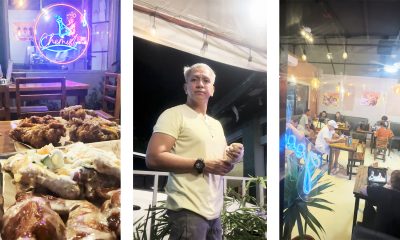
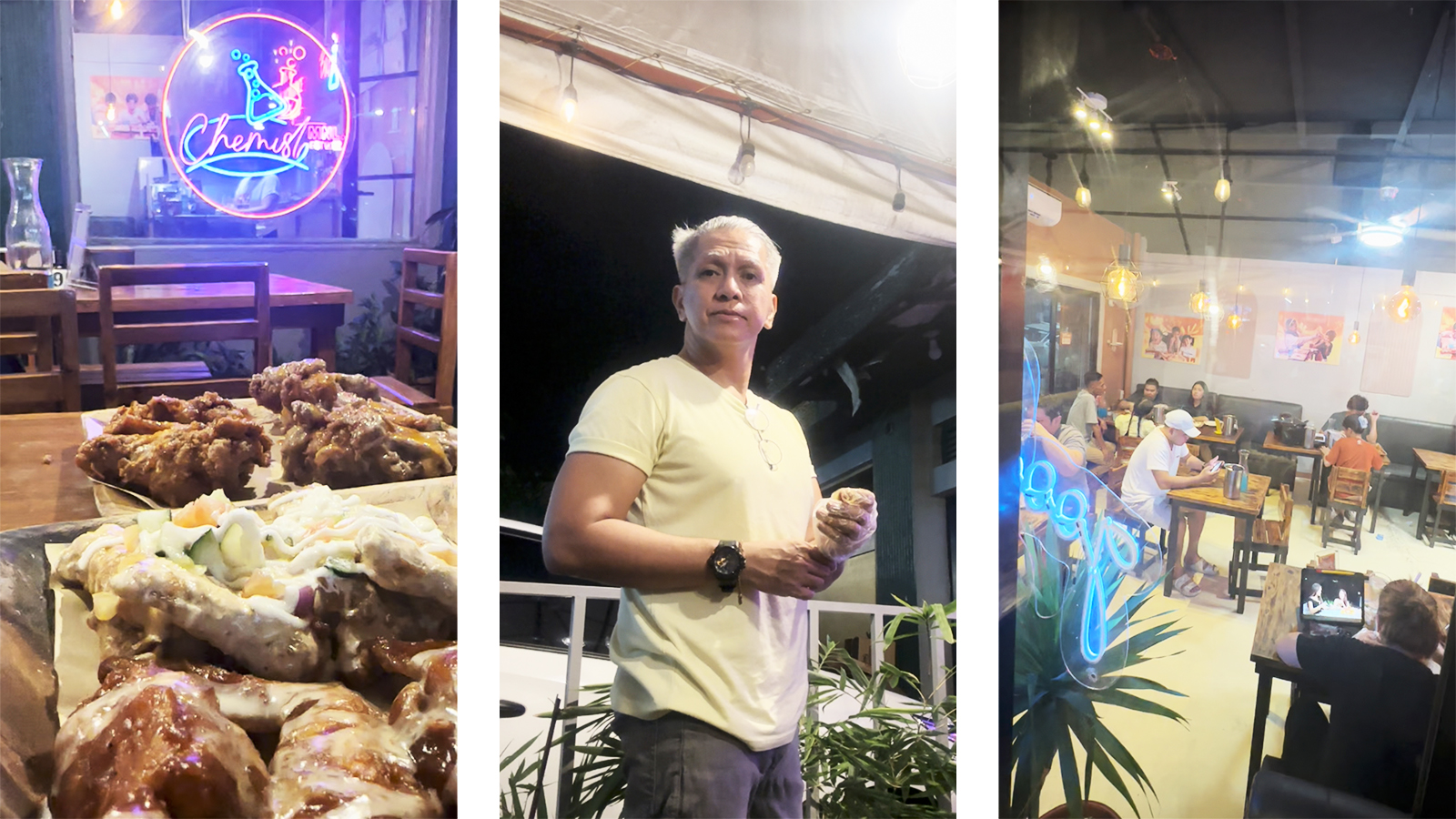
One time, after gadget shopping in Greenhills in San Juan City, we had chicken craving, which led to a search for unli chicken nearby. It was already late, with shops already about to close, so finding a resto offering unli chicken was challenging. Which – after checking “restaurants nearby” in Google – was how we ended up at the House of Unlimited Chicken Wings by Chemist – Pasig, among those that stay open until late (or early, depending on your way of seeing) to satisfy people’s chicken craving.

Una, the place isn’t easy to find. It is located in a semi-residential, semi-business area in Pasig, more frequented by those looking for car wash and such. But yes, they’re in Google Maps.

Ikalawa, the actual venue has three parts: the front portion, which is also the main entrance; the back portion, closer to the kitchen; and the outdoor section, which is non-airconditioned and is right beside a car wash.

Ikatlo, the workers there are okay naman, mabait and all that… but they can be slow, taking their time with getting and then delivering your orders. Napuputol ang eating momentum…

Ika-apat, how’s the food?

We paid ₱349 per person for unlimited chicken wings that came with unlimited lemonade and unlimited French fires. This is the usual price for such, and is okay considering there are 24 flavors available.

Look-wise, the chicken wings were… more than pretty. The shawarma-flavored, as an example, looked like its namesake, complete with the white sauce and veggie bits topping the chicken pieces.

Smell-wise, they’re good, too. The aligue-flavored smelled like aligue, as an example; just as the orange chicken smelled tangy.

Taste-wise, however, we had issues. The cooking was inconsistent – e.g. some were overcooked, and others undercooked. Some flavors were not absorbed by the chicken wings, so they were flavorless. And some flavors were disappointing, for the lack of a better word – e.g. the shawarma-flavored made our tummies complain.

Buod: This is an okay place, particularly since there aren’t a lot of unli chicken venues open really late at night anyway. But – alas – being open is not, and should not be the sole deciding factor to support restos. So check if near ka lang. Otherwise, join ka sa amin as we search for more LGBTQIA+ lafangan venues…

Open from 10.00AM to 3.00AM (though their menu says they’re open 24 hours), the House of Unlimited Chicken Wings by Chemist – Pasig is located at J9-33, 010 Evangelista Ave., Santolan, Pasig City.

Continue Reading

BizListing

A biz promoting eating healthy, thanks to Chef Gerick Manalo

21 Greens + Antioxidants Power Blend combines greens, fruits, antioxidant-rich ingredients, and probiotics. Its development reflected the problem Chef Gerick Manalo had encountered firsthand: a product’s ingredients mattered, but so did the experience of consuming it regularly.

Published

on

A chef who struggles to eat his vegetables might seem like an unlikely person to start a wellness company. But for Chef Gerick Manalo, Founder and CEO of EarthLab & Co., that personal contradiction became the starting point for a business built around a familiar challenge: why is eating healthier so difficult, even when we know what is good for us?

Despite years of experience preparing food for others, Manalo found it difficult to maintain the healthy eating habits he understood professionally.

“As a chef, I could tell you exactly what a balanced plate should look like, how to prepare vegetables, and even make them taste good for other people,” Manalo says. “But when it came to my own plate, I was the one avoiding them.”

That gap between knowing and doing would become central to how he approached EarthLab.

When Knowledge Doesn’t Become a Habit

When his schedule grew busier, vegetables were often among the first things Manalo skipped. He tried blending greens and vegetables at home to make up for what was missing from his meals. The experiment did not last. “It tasted terrible,” he says, laughing. “I was drinking it because I knew I needed it, but eventually, I gave up.”

The failed experiment showed him that nutritional intentions alone were not enough. Taste and convenience mattered if he wanted a routine he could sustain.

“I’ve learned that knowing what’s healthy is easy. Making it a habit is the hard part,” he says. “The challenge is doing those things consistently, especially when life gets busy.”

Making Better Nutrition Fit Real Life

Manalo’s culinary experience led him to approach the problem through taste. A food or drink can offer nutritional value, he reasoned, but people are less likely to return to something they do not enjoy.

“I think the biggest misconception is that eating well means forcing yourself to eat things you don’t enjoy,” he says. “For me, it’s really about finding a way to make better nutrition work for you.”

That thinking shaped EarthLab’s intended audience: people who understand the value of eating well but struggle to make it part of their routine.

“What I felt was missing was something made for real people, not just people who are already obsessed with wellness,” Manalo says. “Make it simple. Make it enjoyable. Make it fit real life.”

He is careful not to position convenience as a substitute for balanced meals. “We’re not here to replace a healthy diet,” he says. “We’re here to make getting more greens easier in real life.”

From a Kitchen Experiment to a Wellness Business

Turning the idea into a product took more than two years. Manalo worked through repeated rounds of formulation, ingredient sourcing, tasting, packaging, and production decisions before introducing EarthLab’s first offering, 21 Greens + Antioxidants Power Blend.

Manalo approached formulation as he would a dish, balancing ingredients, texture, and flavor. But the repeated testing also forced him to consider a different standard of success: whether someone would willingly prepare and drink the blend again the next day.

“For me, taste was non-negotiable,” he says. “If I’m going to ask people to make this part of their daily routine, it has to taste good enough that they actually want to come back to it.”

The resulting 21 Greens + Antioxidants Power Blend combines greens, fruits, antioxidant-rich ingredients, and probiotics. Its development reflected the problem Manalo had encountered firsthand: a product’s ingredients mattered, but so did the experience of consuming it regularly.

Product development also brought the uncertainties of running a business: supplier choices, production costs, failed attempts, and decisions made before he knew how customers would respond.

“There were moments when we questioned whether we should keep going, but I believed in the problem we were solving,” he says. “After more than two years of testing, failing, adjusting, and refining, we finally created something I was genuinely proud to put the EarthLab name on.”

A Founder’s Case for Consistency

The experience reinforced Manalo’s preference for realistic, sustainable habits over sweeping changes to daily routines.

“You don’t have to completely change your life to start taking better care of yourself,” he says.

His own relationship with vegetables has not changed overnight, either. Building EarthLab made him more attentive to his habits, without turning him into someone who suddenly enjoys every vegetable.

“Vegetables and I are in a much better relationship now,” he says. “We’re not best friends yet, but we’re definitely talking.”

He applies the same problem-first thinking to EarthLab’s future. Although he wants the company to grow beyond its first product, he believes any new offering should address a specific consumer need. “Every product should have a purpose and solve a real problem,” he says.

His move into entrepreneurship has also given new meaning to the skills he learned in professional kitchens: discipline, teamwork, and the ability to adapt when plans fail. While his responsibilities have expanded beyond food preparation, Manalo still sees himself first as a chef. “I’m still Chef Gerick,” he says. “I just have a much bigger kitchen now.”

Continue Reading
Advertisement
Advertisement

Like us on Facebook

Trending