
BizListing
‘Coffee for Peace’ enables Filipinos to build peace with coffee
Because at the heart of CFP’s operations is training farmers on coffee processing to develop skills to produce high-quality coffee beans. CFP provides knowledge on the market for farmers to understand what consumers want in coffee, and the value of what they do for awareness on fairer trade pricing.


What if every Filipino, no matter where they’re based in the country, can be a “force for good” simply by sticking to routine—like, say, enjoying their morning cup of coffee?
Davao-based Coffee for Peace (CFP) proves this can be the case as its CEO and co-founder Felicitas “Joji” B. Pantoja confirms that they are a growing community of farmers and business owners practicing and advocating inclusive development principles in the coffee industry. Social entrepreneurship is their business approach to achieve justice and harmony in society and environment.
“As a reputable processor for good beans and an experienced roastery, CFP means business continuity for business owners but equally: support for farming communities. CFP even gives buyers the option to create their own brand under a MOA where 10% of very kilo sold goes back to farmers,” says J. Pantoja.
Where does the customer from Luzon or Visayas ordering through the online shop fit into the peace building in Mindanao? “CFP by design allocates 25% of its net profit for its Peace and Reconciliation Teams, composed of volunteers from conflict-affected areas and international volunteers. They are trained in inter-faith dialogue, cross-cultural comms, trauma healing, relief and medical operations,” says J. Pantoja.
Because at the heart of CFP’s operations is training farmers on coffee processing to develop skills to produce high-quality coffee beans. CFP provides knowledge on the market for farmers to understand what consumers want in coffee, and the value of what they do for awareness on fairer trade pricing. “We want farmers to be confident about the business side of farming, understand their market, correctly price and inspire the next generation to be farmpreneurs too,” says J. Pantoja.
Once the training is complete, CFP offers to partner communities post-harvest services at cost such as: coffee pulping, coffee dehulling, and coffee drying. Coffee for Peace also offers to partner-farmers and those who buy from them shared services such as: toll roasting, packaging, label design, and photography. The training result is a higher quality coffee product produced by a community in the Philippines.
Nurturing grassroots ‘farmerpreneurs’
At the Philippine Coffee Quality Competition, the top five awards went to Specialty Arabica coffee farmers from Davao del Sur. For jury member Byron Pantoja, CFP VP for operations, this indicates “farmers taking ownership of their craft as producers of some of the best coffee in the Philippines. We need to give more farmers the freedom, knowledge, and opportunity to innovate their coffee processes based on the demands of the market and the limitations of their land. That sense of ownership over what they do is what’s going to make them the best.”
Nurturing community ‘farmerpreneurs’ and realizing the country’s potential for premium to specialty coffee go hand in hand. J. Pantoja says, “Only 25% of the country’s 111M population is served by Filipino coffee farmers. Local cafes are challenged in sourcing good beans. We partner with DTI on bridging gaps such as training, equipment and drying space but getting to a scale that boosts our national reputation as a good coffee producer will take time. From 2,000 kilos at start, we are now at 32,000 kilos and encouraged to continue.”
Coffee for Peace has trained close to 880 farming families from different parts of our country, representing 13 tribes, including some Muslim areas. “Our model is to create our own competitors by giving them the secrets to making good coffee. We want to groom ‘farmerpreneurs’ who are also skilled in coffee tasting, financial management and conflict resolution. We want barista interns to dream of having their own coffee kiosks. For every kilo of coffee, one can make 140 cups of 6 ounces, and a barista in Davao nets 5K a day with his own coffee cart. The same can be done anywhere in the Philippines. Imagine if every region’s farmers had their own pop-up café or coffee cart, neighborhoods will also be educated to buy local,” says J. Pantoja.
“Premium specialty coffee from the Philippines” requires a mindset change that’s supported by the fact that local coffee has scored 80% special quality standard, points out Pantoja. A member of the National Coffee Council, she spoke about the need to streamline various resources from government policy and services and link these to smallholder farmers. “We want every island to join the national movement within the coffee industry to raise the level of coffee quality. Grassroots farmers also mean less carbon footprint for supplying the coffee locals want. We’ve gone to uplands to help a micro-lot owner assess the possibility of coffee farming. We’ve also linked roasters, who used to order coffee from us, straight to the farming community.”

Coffee and PH culture
Coffee is innate in the Filipino culture. “When we visit high-conflict communities, coffee served from a palayok is good quality. When I brought a sample to Canada where I used to live, the roasters said there was potential for premium quality to specialty. But we can only produce limited quantities. Opening opportunities for our farmers drove me to collaborate—inspire baristas to educate customers, get roasters to work with traders who source from farmer,” said J. Pantoja.
Operating for 13 years now, Coffee of Peace started with peacebuilding work. “Coffee is the vehicle but the ‘product’ is peace. In our peacebuilding work in Maguindanao, Basilan, and Sulu, we saw that coffee makes Moslem and Christians sit together and dialogue to settle conflict. In our environmental work, we saw that Arabica trees are included in our national greening program. Giving life back to forests also give locals a new, sustainable means of livelihood. I tell farmers: ‘You don’t have to go to the city, the buyers will come to see protected forest.’ We also advise farmers to get to know their customers, then the process follows,” said J. Pantoja.
As a case, Korean buyers came to Davao looking for fine Robusta. Local farmers have since expanded to Robusta. Explains B. Pantoja, “While specialty Arabica has fruity flavors like blueberries and strawberry, fine Robusta has a super smooth, full-bodied chocolatey taste like black tea.”
This distinction in tastes can be a strength of the Philippines as a group of islands since, explains J. Pantoja, we can’t compete with the land mass and harvest volumes of Vietnam, Brazil or Colombia, and we can’t produce for large coffee chains. “Instead, our edge is premium specialty coffee, with micro-lot orders of 1 to 2 tons that are of a quality and fetch a good price. Each island can produce a different taste profile depending on soil and fauna of that area. Arabica alone has 3,500 subvarieties, while Robusta has 2,400 subvarieties. The higher, the elevation, the sweeter the coffee.” The growing community of coffee champions and curiosity of millennials can only drive excitement over developing Philippine variants that are also ‘Just’ coffee of the social-justice kind.
For more information, visit www.coffeeforpeace.com and peacebuilderscommunity.org. Follow Coffee for Peace at www.facebook.com/coffeeforpeace.
BizListing
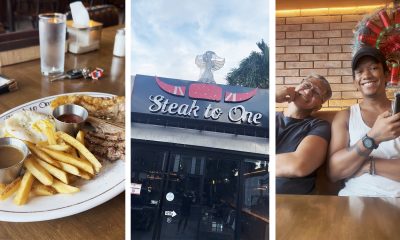
Focusing on affordability as a strategy for Steak to One
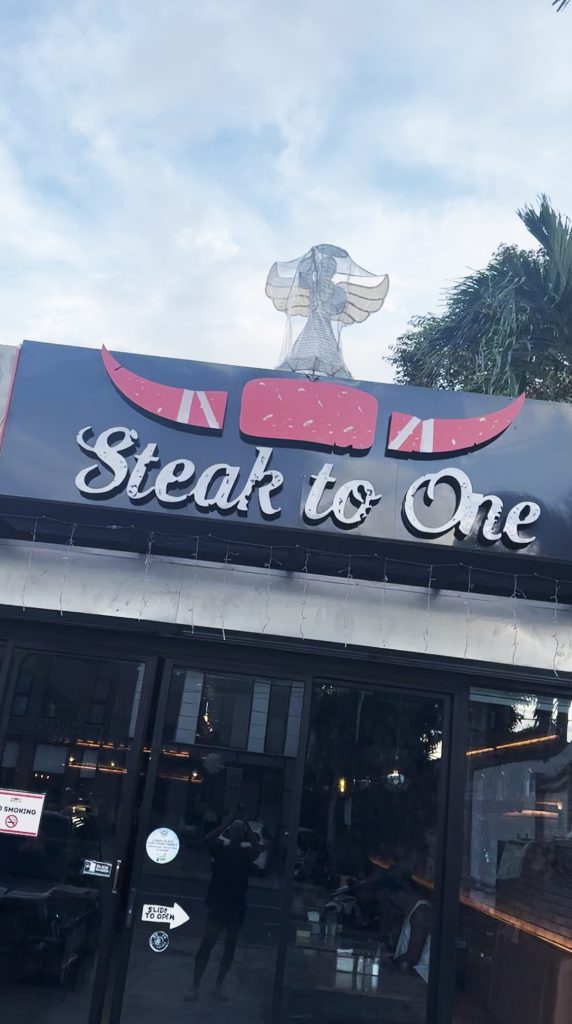
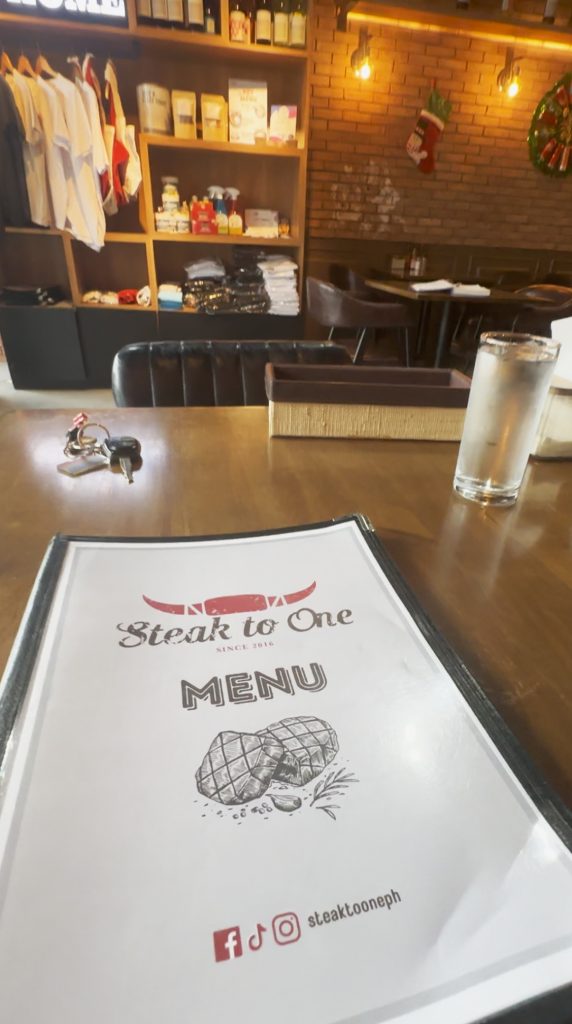
Affordable steaks are now commonplace – e.g. Blake’s, Escobar’s, Sizzling Plate. So there’s no need to empty your wallet just to get one (or two, or more). Another option: Steak to One, which we checked.


Steaks aren’t Pinoy staple food, aminin na natin. And so it’s understandable that many may see thousand-peso priced items as impractical. But the popularity of steaks may also be the reason why there’s now a handful of not-that-expensive steak places that offer steaks for only around ₱400 to ₱500, including the likes of Escobar’s, Blake’s and Sizzling Plate. We can argue about the quality, but… the option to eat steaks cheaply is there na, thanks to these venues.
Steak to One is among the not-shabby affordable steak restos.
@outragemag Looking for affordable #steak? In #paranaque, we #LGBT checked the offerings of #steaktooneph ♬ original sound – Outrage Magazine
Una, the venue we checked is located in BF Homes in Parañaque City, which is this village that’s only conveniently accessible to those with private vehicles. Be prepared to be asked to leave IDs at the guard house.
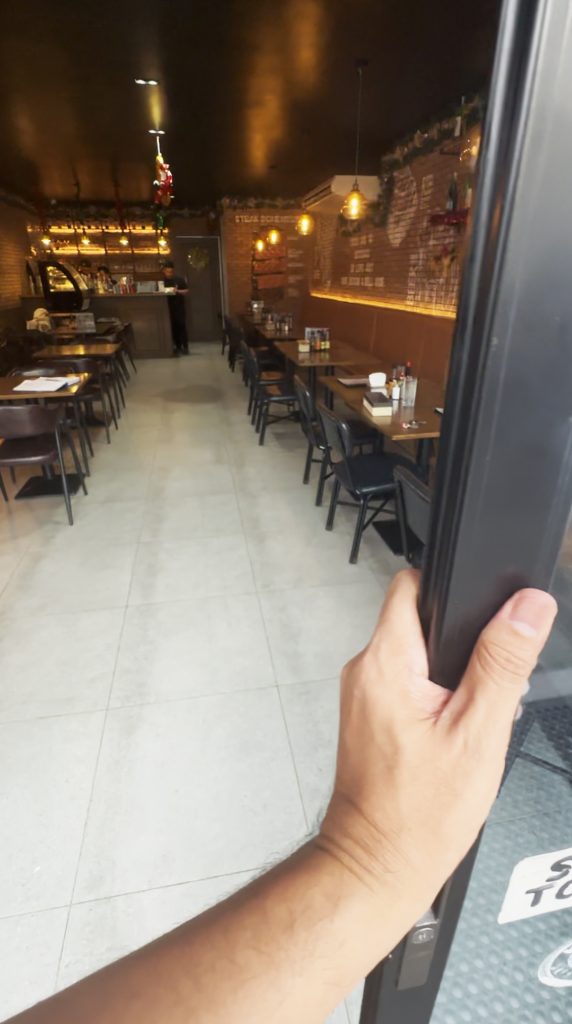
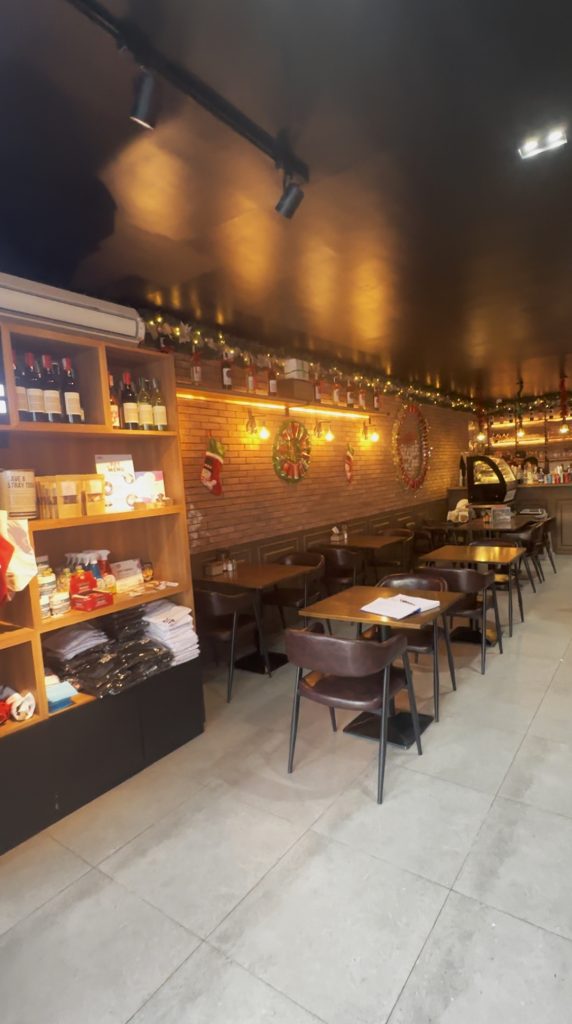
Ikalawa, the actual place is okay naman; airy, not dilapidated furniture, malinis, and so on.
Ikatlo, the workers were okay rin; they were attentive without being intrusive. And – this is worth highlighting ha – mabilis ang service, so that you get your orders sooner than you expect.
Ika-apat, how was the food?
We grabbed two steaks: one is an item in their Pamatay Series, the ₱699 Local Ribeye that comes with a small serving of pasta (we chose marinara) and bone marrow; and the other is ₱499 Porterhouse that comes with two side dishes (we asked for French fries and two eggs cooked sunny side up).
Taste-wise, the steaks were okay, though more salt and pepper could have bettered them. The issue – if it can be considered that – is the approach to steaks of Steak to One. Particularly: as if to make their steaks look bigger than they are, you will be served with a wide but thinly-sliced piece of meat. Malapad na manipis. The implication is seen in the doneness of the meat – i.e. because the meat is too thin, it cooks too easily. You order medium rare but you’d end up getting well done.
The side dishes were okay naman – e.g. maasim-asim na pasta, crispy fries, and properly cooked eggs.
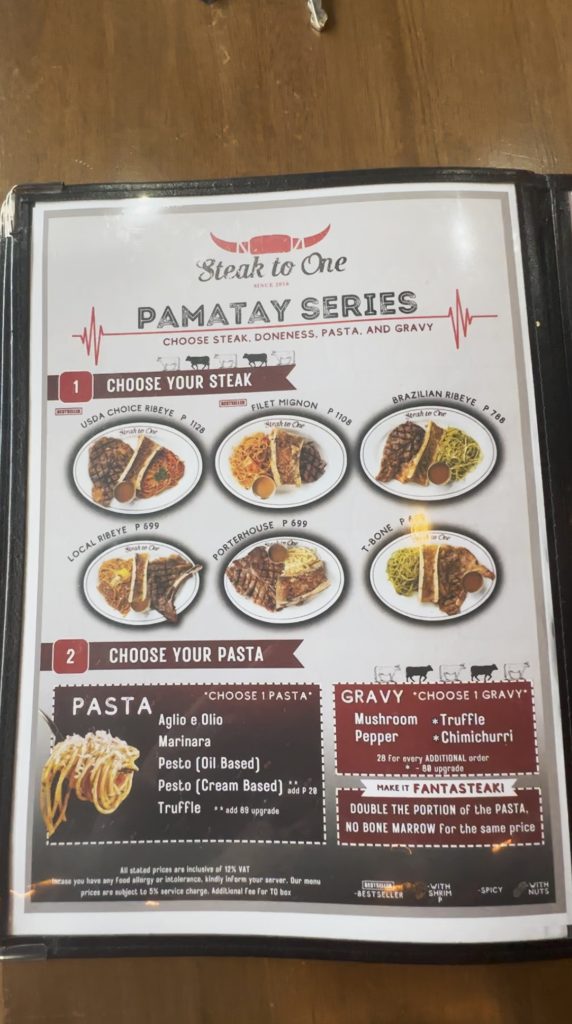
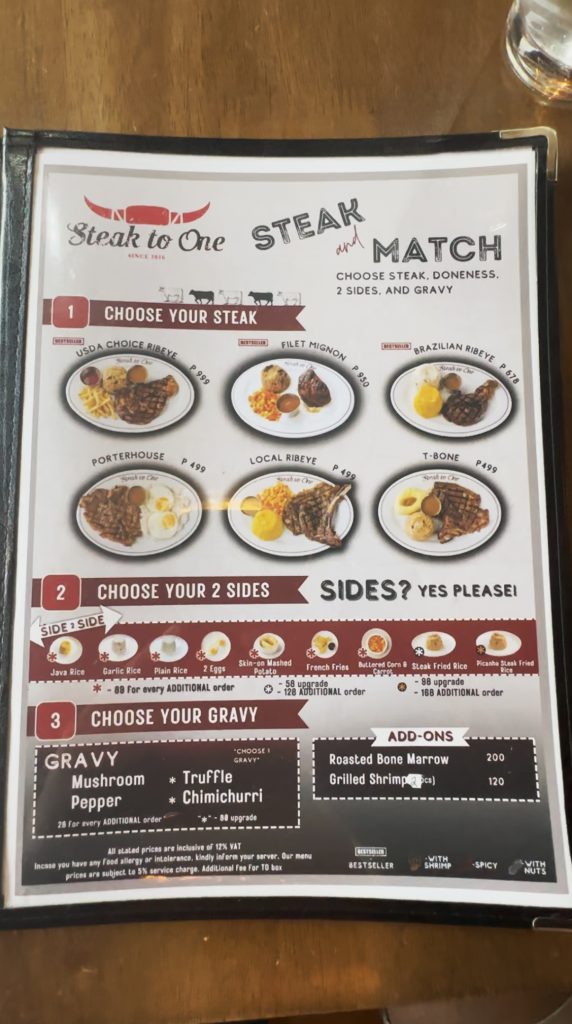
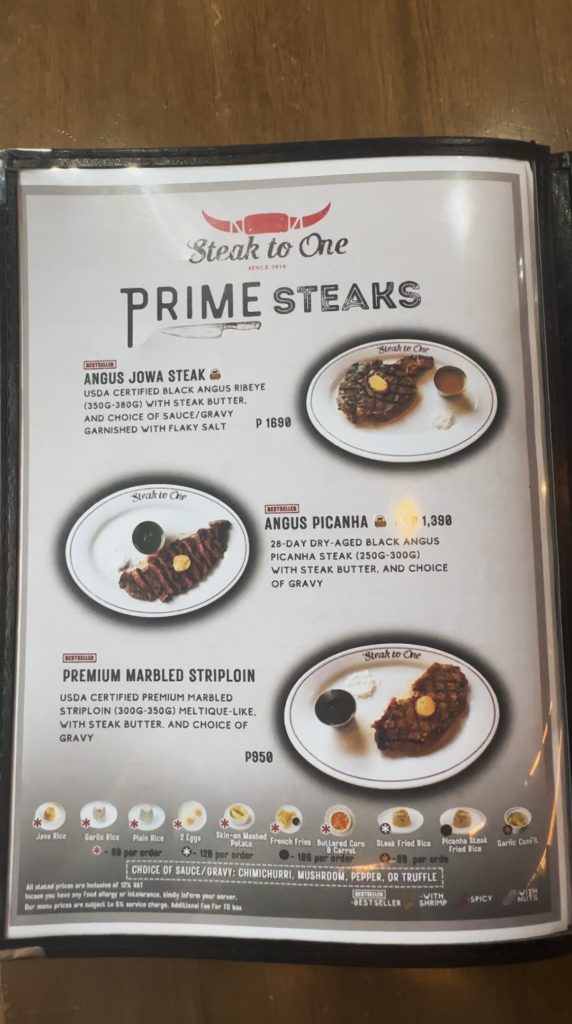
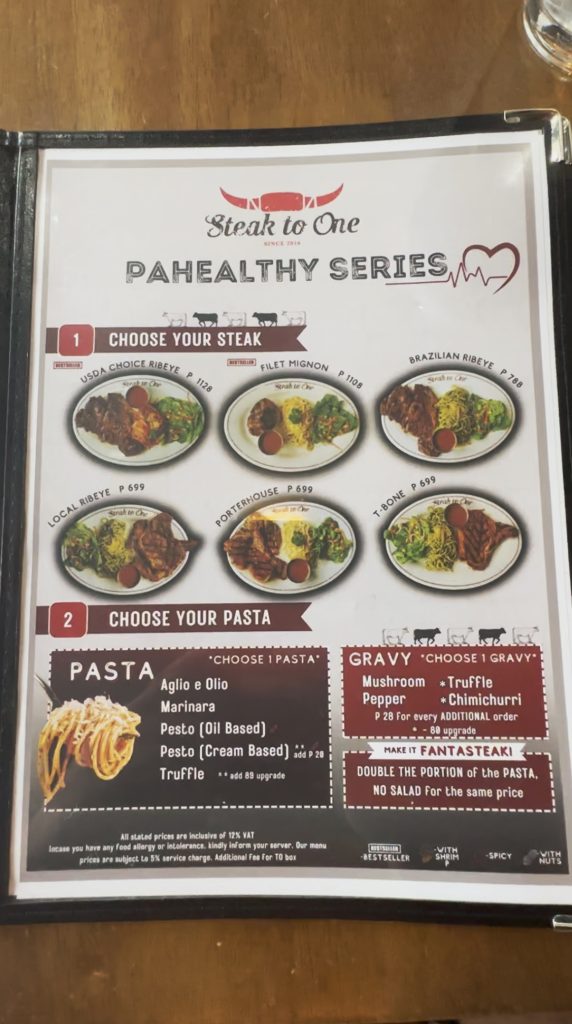
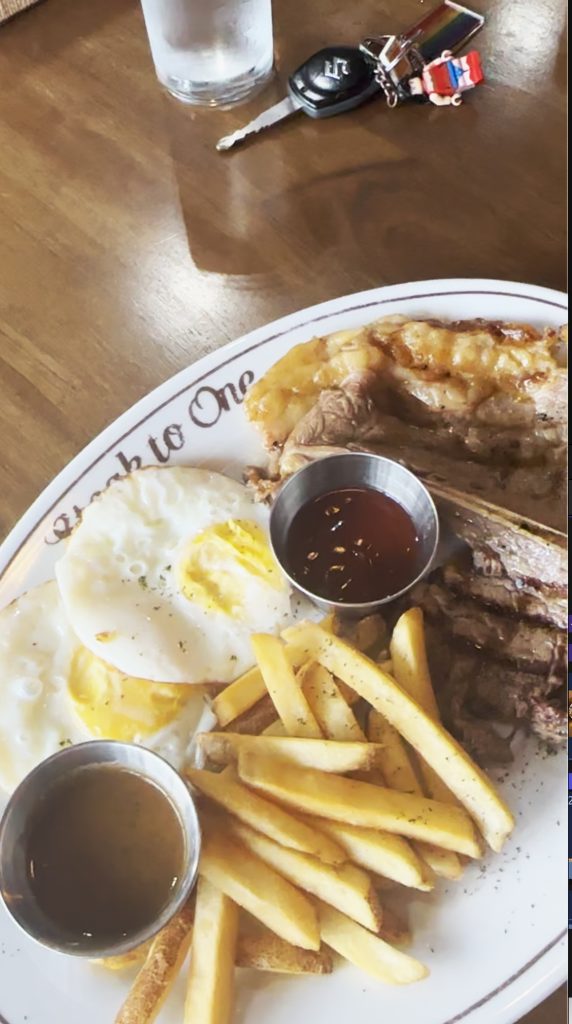
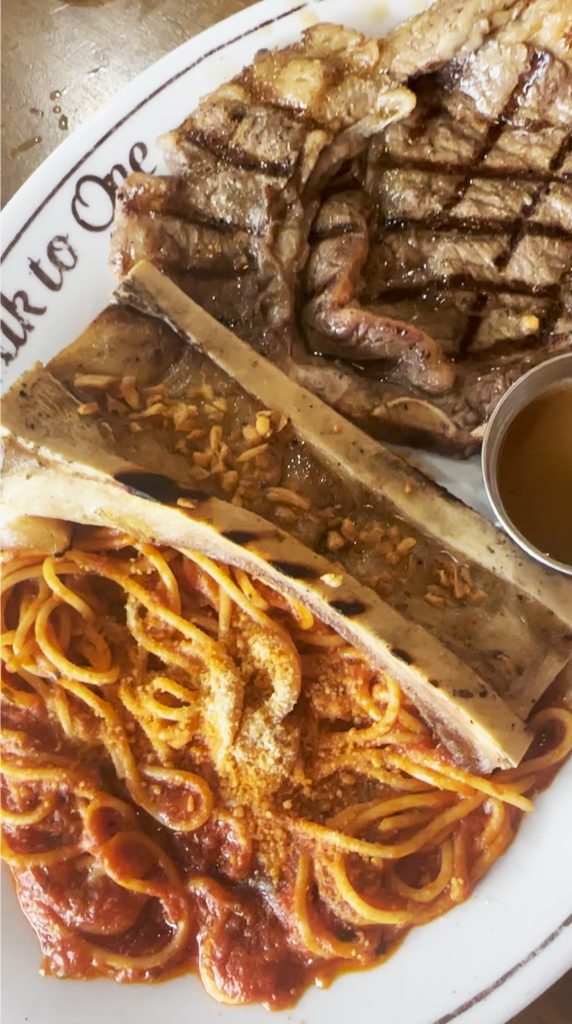
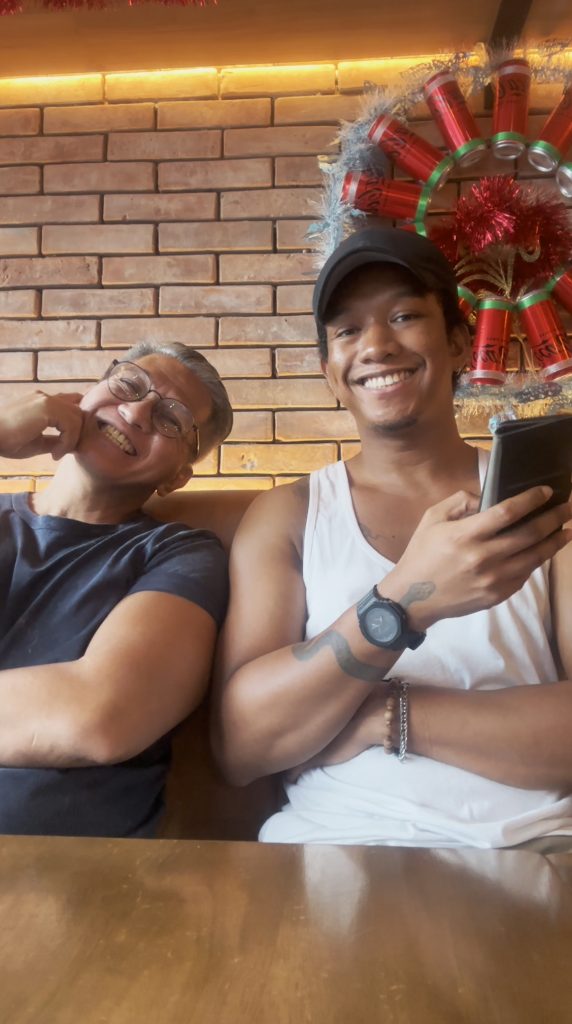
In a gist: you don’t have to empty your bank account to eat steaks since there are now a handful of venues that offer not-bad slabs of meat at affordable prices. Consider Steak to One among your options… of course after considering its limitations.
Off we go in search of more lafangan venues…
Steak to One – Parañaque is located at BF Homes, 200 Aguirre Ave, Parañaque City, Metro Manila. For more information, contact 0921 989 9203 or email since2016@steaktooneph.com.
BizListing
Offering Japanese in Tanay, Rizal
One weekend, a chance visit to Tanay in the province of Rizal led us to this supposedly highly-recommended Japanese restaurant called Tanto, and so we checked.

That it’s hard to find good – and let’s qualify this, affordable – Japanese restaurants in Metro Manila is a given. Too often we get sanitized venues that may claim to offer “authentic Japanese cuisine”, but really just serve watery ramens or about-to-expire sushis or badly-prepared sashimis.
One weekend, a chance visit to Tanay in the province of Rizal led us to this supposedly highly-recommended Japanese restaurant called Tanto, and so we checked.
@outragemag Heard there's an okay #Japanese restaurant in #tanayrizal, so we #LGBT checked #Tanto ♬ original sound – Outrage Magazine
Una, the place is hard to access. No public transport was seen here; people dining in the venue had motorcycles or cars. Buti na lang there’s enough parking; that is, the entire highway is the parking space.
Ikalawa, the actual place is… so-so. The place is clean, at least, but there’s nothing special here – i.e. you just have wooden tables and wooden chairs a la karinderya.
Also, most restaurants in Tanay are open-air, allowing diners to view the mountain ranges. The view from Tanto, however, isn’t that pretty.
You may also encounter issues with some facilities – e.g. no water in the toilets, and no bidet in the male toilet.
Ikatlo, the personnel naman were okay. Some issues: the recommendations weren’t good (e.g. the food ordered), service was slow (e.g. chili powder had to be requested repeatedly), and so on.
Ika-apat, with the food, this place was a hit and miss. The tantanmen ramen (₱359) I ordered, for instance, was a big disappointment. It didn’t taste like tantanmen at all; just a tasteless noodle soup masquerading as tantanmen. The chili powder didn’t help since it wasn’t even spicy.
But at least the miso ramen (₱329) was okay, said Arthur. It DID taste like miso, even if we agreed that there wasn’t a lot of sabaw, soup, served.
Also, at least we agreed on the gyoza; those were better-than-okay. The wrapper didn’t disintegrate, and the well-seasoned meat was malasa, tasty, and not overcooked nor undercooked.


BTW: there’s no service water here; instead, we were told that what they have isn’t safe to drink so we may as well order bottled water (₱50). That’s profiteering for sure.
Gist: The prices here are higher than those in Little Tokyo in Makati City, so you’d actually expect more. But with so-so offering and so-so service, suggesting for people to intentionally go to it is hard. I’d say: check when you’re in the area… though when there, you may also just want to check the other restaurants there.
So off we go for more lafangan reviews…
Tanto Tastes of Asia is located along Marcos Highway, Sitio Malapapaya, Brgy. Sampaloc, Tanay, Rizal. For more information, contact 09611434875.
BizListing
Biz strategy of Quento: Forget discrimination and capture as many as possible
Many partygoers in #legazpicity in #Albay drive over two hours to go to #NagaCity to party. But for those who choose to stay in the capital of the province, there’s Quento. We #LGBT checked if it’s worth visiting.
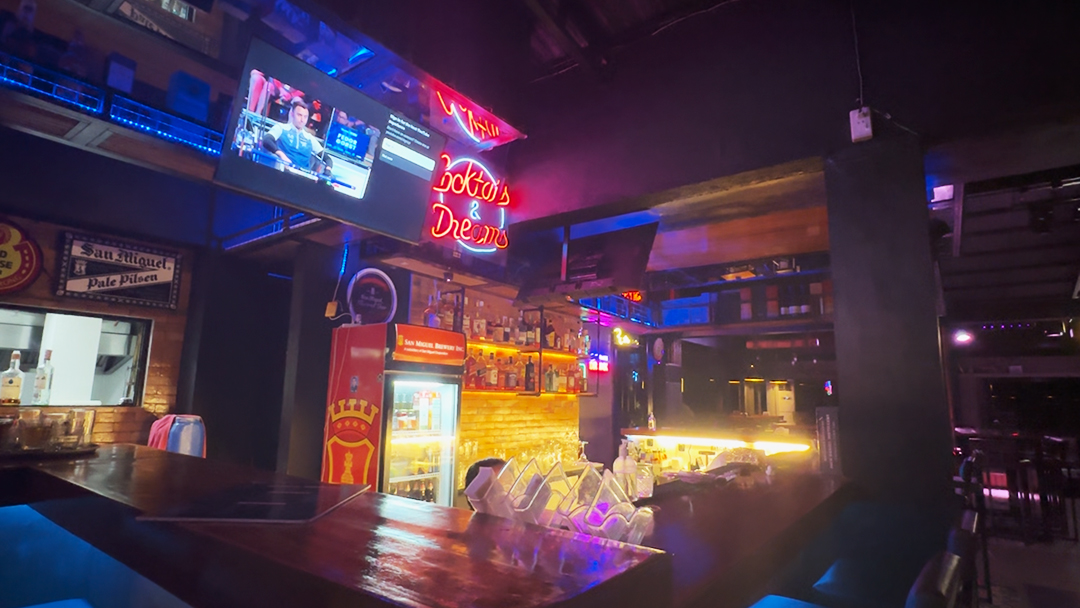
A lot of partygoers in Legazpi City (in the Province of Albay, over 471 kilometers south of Metro Manila) are said to drive over two hours to go to Naga City. Because it may already be a first class component city and the capital of the province, but Legazpi remains… provincial in so many ways.
But this is how we were led to this party venue called Quento, which is – supposedly – frequented by those who choose to stay and party in Legazpi City.
Here are some observations regarding Quento.
Una, this place is NOT an LGBTQIA+ venue; instead, it is but a business that recognizes the power of the pink peso, and is therefore open to LGBTQIA+ party people.
Ikalawa, if you want to cruise while here, you’re more likely to find hetero-identifying men who have sex with men instead of other gay and bisexual men. This is actually true in most party venues in Legazpi City… at least so I was told.
Ikatlo, this place is open every day from 5 PM until the last customer leaves… so we were told, though in truth, they start making you feel unwelcome at around midnight.
Ika-apat, this fits approximately 100 pax, so it’s actually spacious. Looking at Quento from outside, you’d think its but a small place. But inside, you’d see a properly laid-out venue that has two seating areas, with the main area housing the stage where performances happen.
Ika-lima, the staff’s nice naman, even staying past their supposed closing time to accommodate us tourists.
Ika-anim, most nights, there’s a band performing… and, if you dare, you can sing with them. This is why it’s popular among groups with members who want to belt out a song or two.
Ika-pito, the food sufficed. For instance, we ordered Chili Cheese Nachos (₱276), and – while it was not even memorable – it was okay enough as pulutan.
And ika-walo, the alak, the alcoholic offerings were priced almost the same as in Metro Manila. A liter of Fundador Light, for instance, costs ₱850.
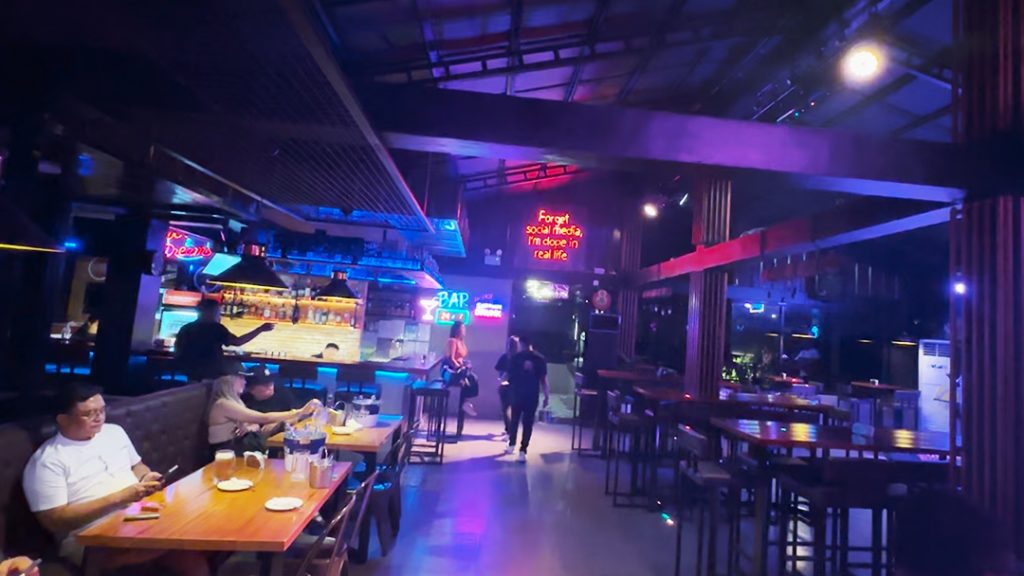
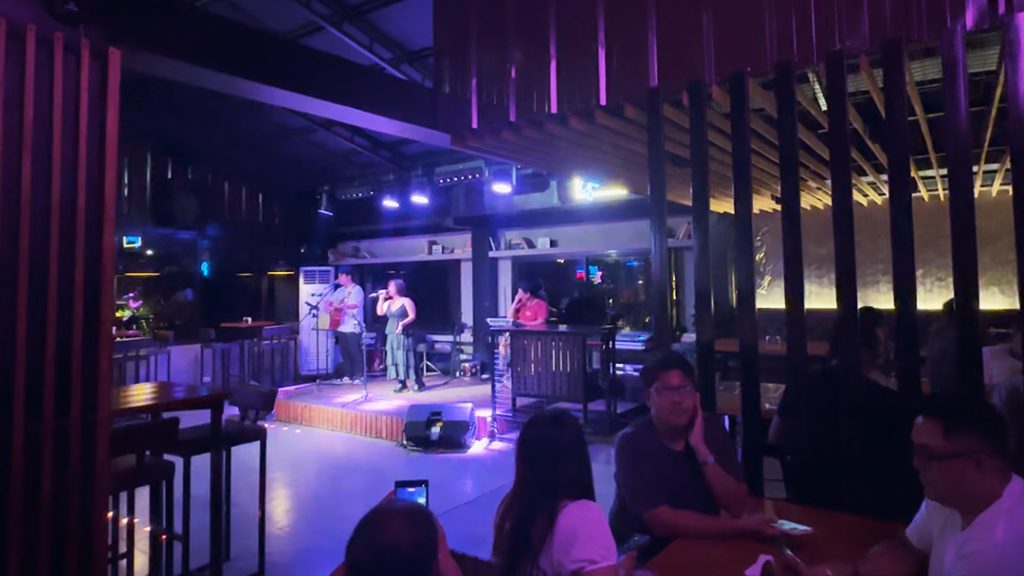
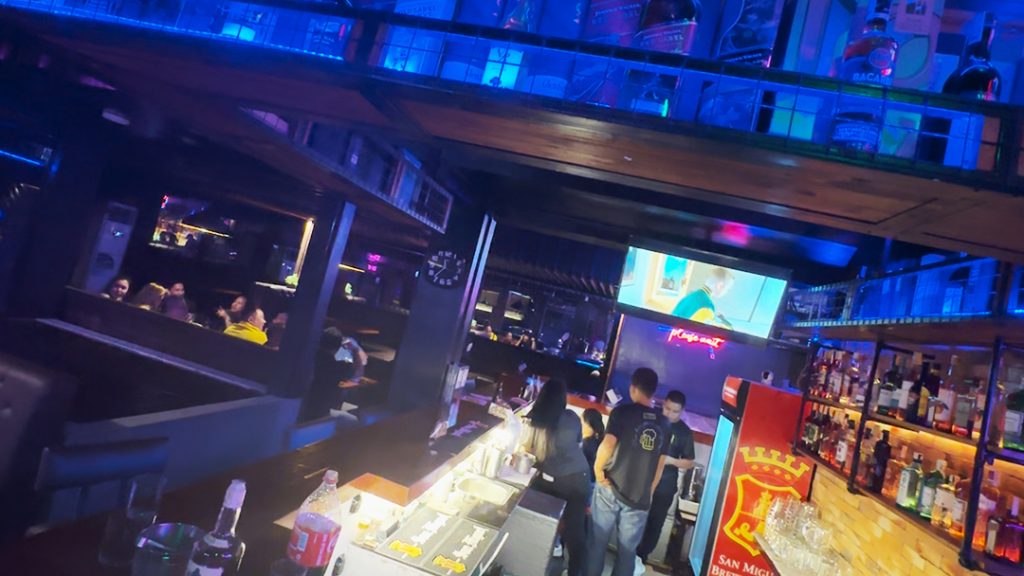
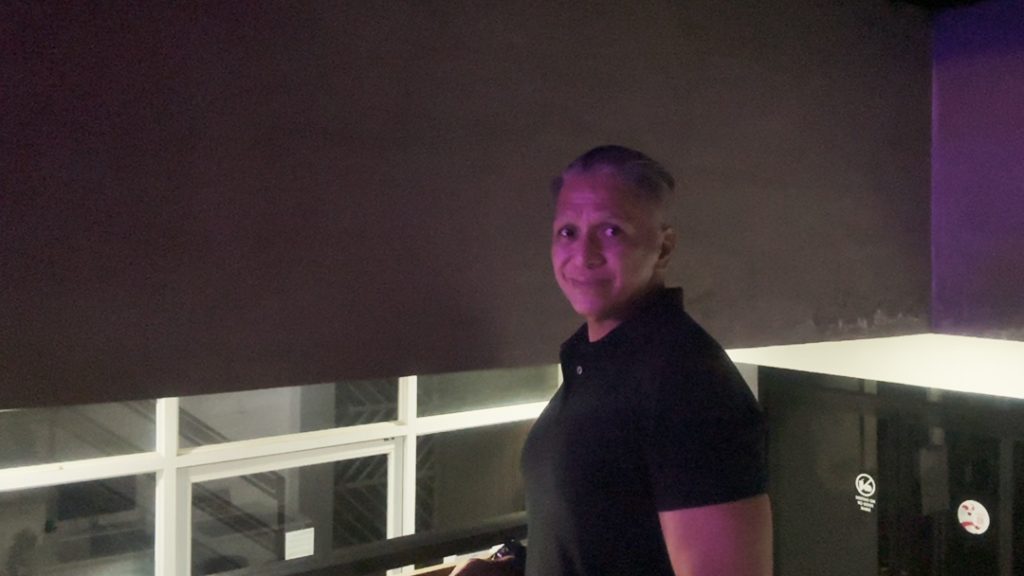

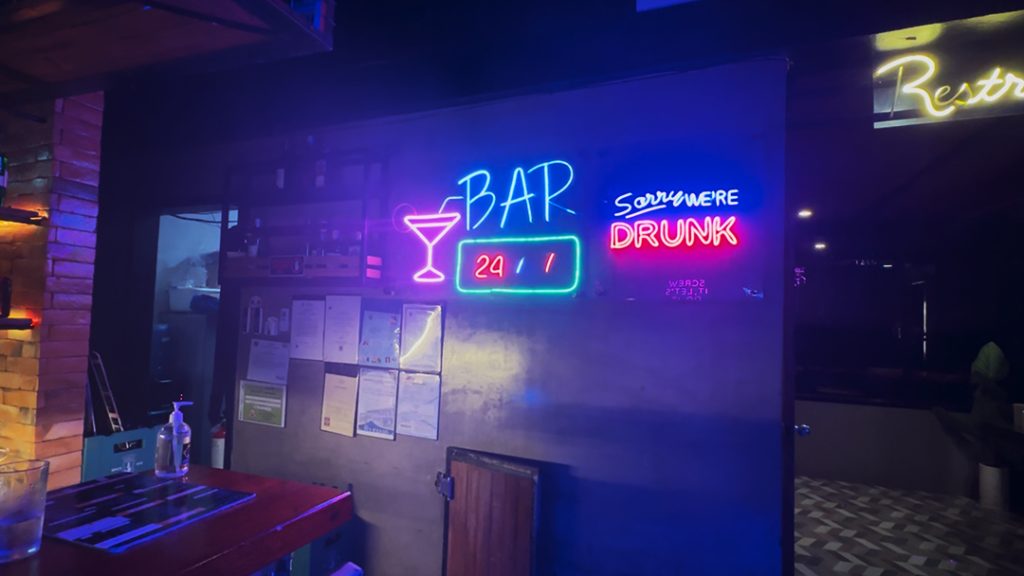
Apparently, heavy partygoers head to Naga City to party. That’s including LGBTQIA+ people who, I was told, consider the party scene in Legazpi City as backward, too provincial. But if Naga City isn’t an option, or if you want to see how those who choose to stay in Legazpi City actually party, then Quento may provide some glimpses. Yes, it won’t be for everyone… but you’d really only know after you checked.
But off we go for more rampa…
Quento is located at 5P3V+W8C, 219 Lakandula Dr., Legazpi City, 4500 Albay.

Focusing on affordability as a strategy for Steak to One

Offering Japanese in Tanay, Rizal

Biz strategy of Quento: Forget discrimination and capture as many as possible

Vietnamese resto (also selling Thai food) found in Tanza, Cavite

Combining art and food in Antipolo’s Crescent Moon

Checking the Thai offerings of Pad Thai Express

Panadero Bakeshop taps tech to grow

Now you see me, now you don’t: How subtle ‘sponsored content’ on social media tricks us into viewing ads
Combining art and food in Antipolo’s Crescent Moon
Vietnamese resto (also selling Thai food) found in Tanza, Cavite
Biz strategy of Quento: Forget discrimination and capture as many as possible
Offering Japanese in Tanay, Rizal
Focusing on affordability as a strategy for Steak to One
Biz strategy of Quento: Forget discrimination and capture as many as possible

FFTG as a must-visit cafe… and safe space in Quezon City

5 Video marketing tips

How to successfully market your biz as green

What to do before a ransomware attack

Smart advice to find success
-
 BizListing4 weeks ago
Combining art and food in Antipolo’s Crescent Moon
-
 BizListing3 weeks ago
Vietnamese resto (also selling Thai food) found in Tanza, Cavite
-
 BizListing3 weeks ago
Biz strategy of Quento: Forget discrimination and capture as many as possible
-
 BizListing2 weeks ago
Offering Japanese in Tanay, Rizal
-
 BizListing2 weeks ago
Focusing on affordability as a strategy for Steak to One