Connect with us

BizListing

Filipino aircraft model creator to expand operations to seize opportunities in e-commerce boom 

Lyndon Uson is a Filipino craftsman and entrepreneur whose innate passion for airplanes and experience moved him to venture into the business of handcrafting high quality military and civilian aircraft models.

Published

on

In the Philippines, creating aircraft models is a rare business with only 10 known local companies working in this industry. Lyndon Uson, founder of AircraftCity – the home of quality model aircrafts and plaques – continues to make his mark in this booming yet competitive creative field by captivating both the local and global markets with his artistic skills and a reliable service delivery.

Lyndon Uson is a Filipino craftsman and entrepreneur whose innate passion for airplanes and experience moved him to venture into the business of handcrafting high quality military and civilian aircraft models. With the support from his family and industry peers, he soon opened his own company, AircraftCity, which grew and expanded its operations attracting customers from all around the world.

AircraftCity’s models undergo a meticulous process to maintain a high-level of workmanship. Each of its produced handicrafts are designed from scratch and are hand-carved in solid Kiln Dried Philippine Mahogany wood. All the parts are then assembled and hand painted by talented craftsmen. With Lyndon’s hands-on production methods and tight quality control procedures, the accuracy of the product is guaranteed from start to finish increasing its quality. “We are very particular about details. Since our models are handmade, characteristics such as the size of the propeller and the internal cockpit are taken into design consideration. My forte is developing models that my competitors aren’t making or aren’t able to develop,” shared Lyndon.

As his work became internationally recognized, Lyndon soon formed a partnership with Aviator Gear, a US-based e-commerce platform for custom military aviation gear. This partnership brought in resources that enabled AircraftCity to export their creations and connect with global customers. With a wider network, Lyndon is able to focus on design, production, and shipment of orders to customers from the US, Europe and other parts of the world.

AircraftCity is thankful throughout the pandemic, the company has seen a consistent and increasing demand for their products. Lyndon connects this continued growth with a strong e-commerce presence.  As such, Lyndon looks to build another factory to further scale his operations as he mentioned that “even our American partner is pushing us to expand as he foresees the production and orders of scaled aircrafts models to double by 2022.”

For Lyndon, forming strategic partnerships and networks are pivotal for small and medium enterprises like AircraftCity to leverage opportunities in the current e-commerce boom. When it comes to cross-border sales, safe and timely delivery is as important as the quality and integrity of the product. Ensuring that both aspects of the business are essential not only to ensure satisfaction but also trust among online customers.

In shipping its products, AircraftCity has relied on the valuable services of FedEx. The company has been a FedEx customer since 2013.  “We make it a point that our logistics provider understands that our products are delicate and with FedEx, they offer different shipping tools and solutions that enables me to optimize costs and delivery efficiency,” Lyndon says.

With FedEx as his logistics provider, Lyndon is able to connect to every U.S. address and to more than 220 countries and territories, allowing his business to grow exponentially and to reach a wider range of customers.

FedEx is a strong advocate for the growth of small and medium enterprises across the Asia Pacific region with its seamless courier services, helping many local businesses grow and launch to foreign markets.
BizListing

Business lesson from Aling Lucing: Be an original

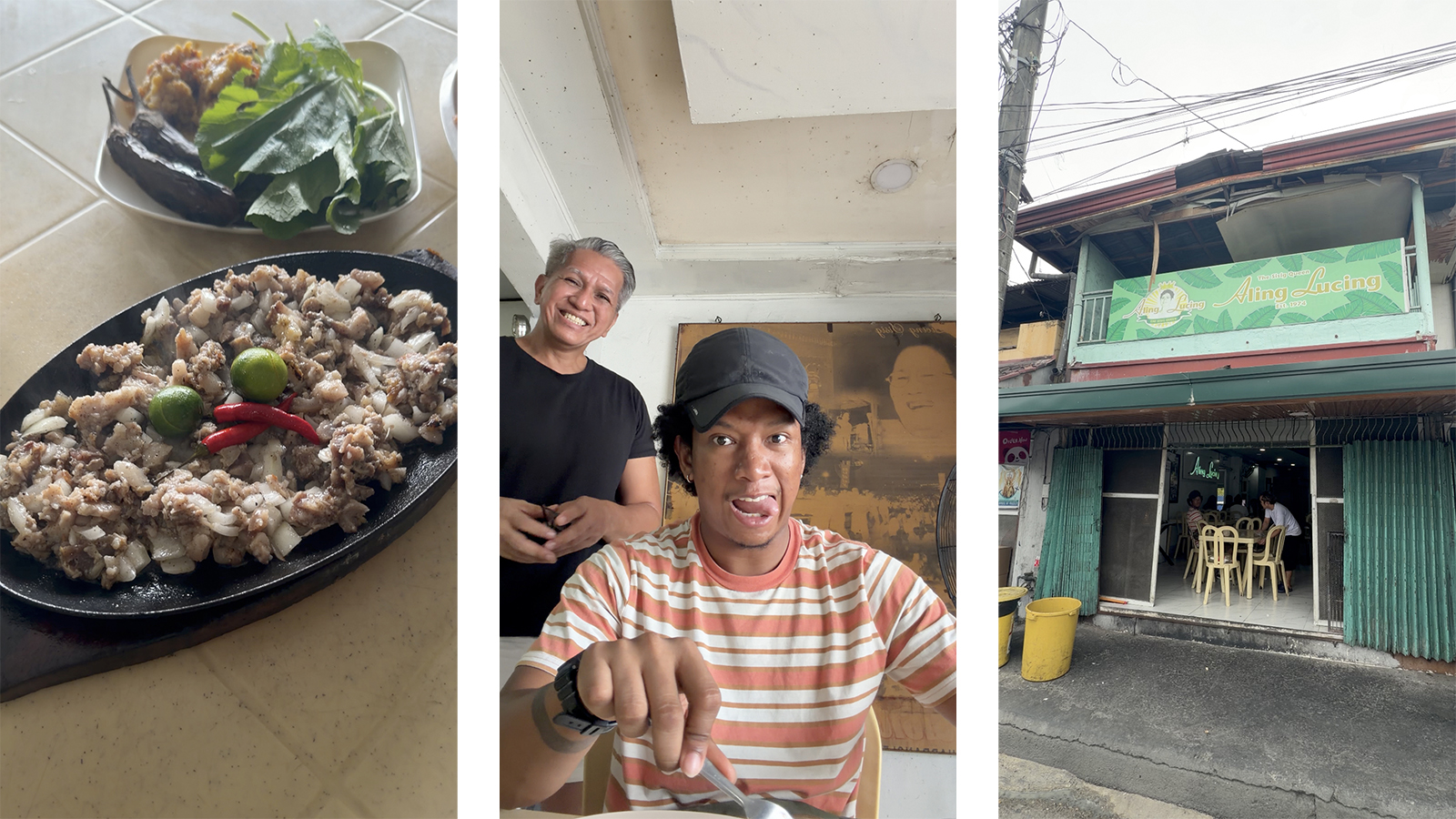
For this #LGBT wandering, checking #AlingLucing in #Pampanga, where #sisig originated.

Published

on

Reviewing Aling Lucing, particularly its sisig, is tricky. This is the resto that invented, or reinvented, sisig, that popular Kapampangan dish. And as the original, all versions of sisig should be compared to it, not the other way around. Anyway, we found ourselves in Pampanga, and while there, we headed to Aling Lucing to be where culinary history was made.

Una, the place is easy to find since it is, basically, a landmark. Google na lang. Or ask around. You will be guided accordingly. BTW: there is only on street parking, and it’s very limited.

Ikalawa, the venue isn’t for the faint of heart. This is a karinderya, let’s be blunt; a rundown karinderya. There, you’d see old tables and chairs, dirty surfaces, and so on. We could see the uncollected trash from where we were seated, and were pestered by bangaw while eating.

Ikatlo, the workers weren’t the friendliest – e.g. we had to repeatedly ask for our table to be cleaned, plates and cutlery to be provided, followed up orders, and so on.

Ika-apat, how was the food?

So, Lucía “Aling Lucing” Lagman Cunanan supposedly created the sisig that we now know. Now sold from ₱260, this was not bad at all. But it’s also somewhat plain. Ganito, if you’re a sisig fan, remove all the add-ons like eggs, mayonnaise, and so on, and you’d get the Aling Lucing version.

The ₱295 crispy kare-kare was deconstructed – i.e. the ingredients weren’t mixed, but served side by side. It could have worked, considering the veggies were yummy, but we had issues with the too fatty meat slices.

The ₱130 burong hipon was malasa, flavorful. You’d need more rice to finish an order… at least for us.

The ₱35 rice deserves mentioning because the variety served to us wasn’t the most palatable. In fact, the table next to us brought their own rice, still in a rice cooker.

Okay… should you drop by?

There are so many reasons why you should, including its history as where sisig as we now know it originated, and being able to try other Kapampangan cuisines. If you have reservations with the place, you don’t have to eat there; take out is possible. If you can’t be bothered heading to Pampanga, there are venues selling Aling Lucing’s sisig now, including in Metro Manila.

Kami, we’re off to discover more LGBTQIA+ lafangan venues…

Aling Lucing is located at Glaciano Valdez St., Angeles, Pampanga.

Continue Reading

BizListing

Targeting late-night unli chicken diners in Pasig City

We #LGBT checked an #unlichicken resto that’s open until late in the evening in #Pasig, concluding that being open doesn’t automatically deserving of getting support.
Published

on

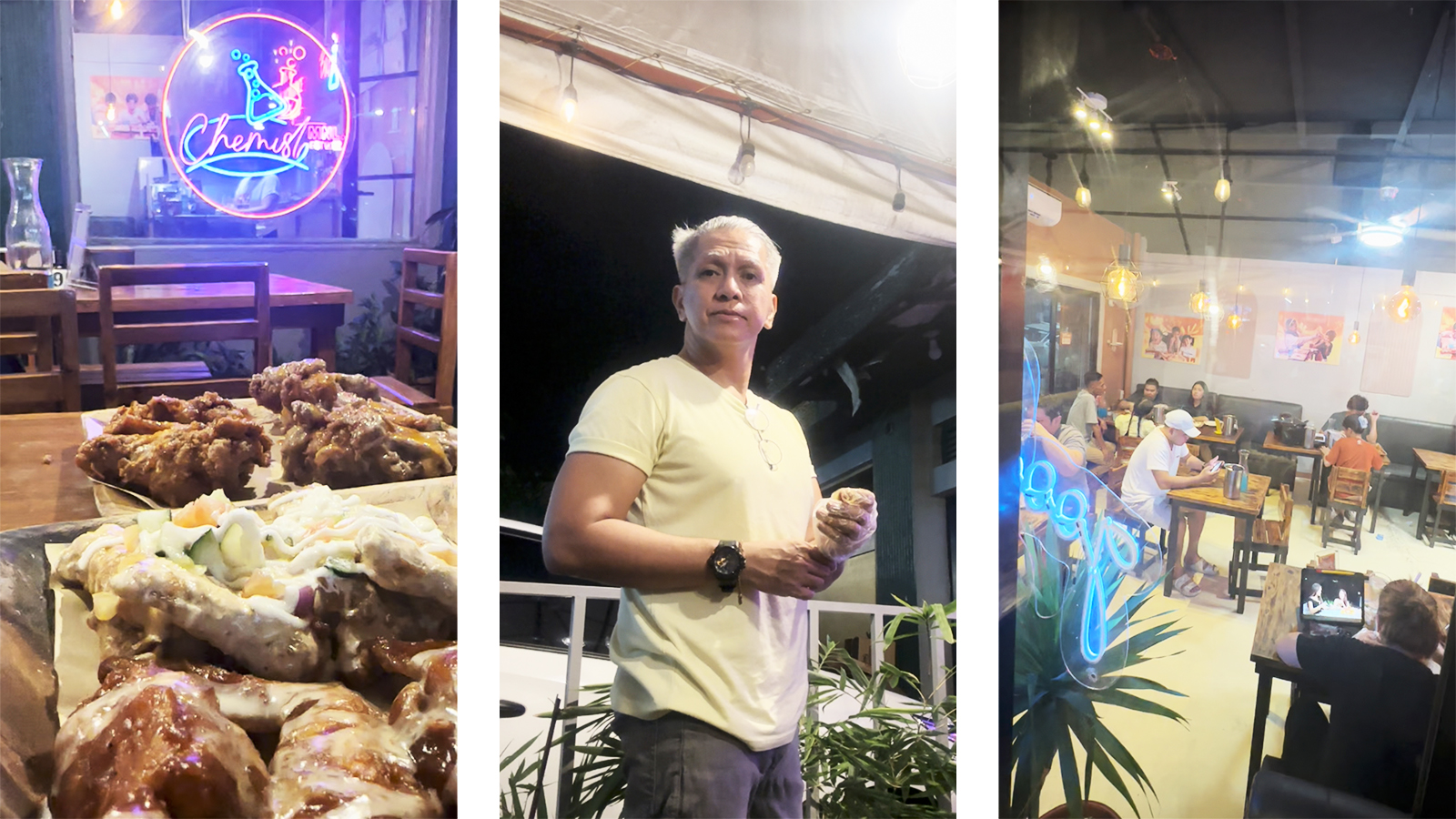
One time, after gadget shopping in Greenhills in San Juan City, we had chicken craving, which led to a search for unli chicken nearby. It was already late, with shops already about to close, so finding a resto offering unli chicken was challenging. Which – after checking “restaurants nearby” in Google – was how we ended up at the House of Unlimited Chicken Wings by Chemist – Pasig, among those that stay open until late (or early, depending on your way of seeing) to satisfy people’s chicken craving.

Una, the place isn’t easy to find. It is located in a semi-residential, semi-business area in Pasig, more frequented by those looking for car wash and such. But yes, they’re in Google Maps.

Ikalawa, the actual venue has three parts: the front portion, which is also the main entrance; the back portion, closer to the kitchen; and the outdoor section, which is non-airconditioned and is right beside a car wash.

Ikatlo, the workers there are okay naman, mabait and all that… but they can be slow, taking their time with getting and then delivering your orders. Napuputol ang eating momentum…

Ika-apat, how’s the food?

We paid ₱349 per person for unlimited chicken wings that came with unlimited lemonade and unlimited French fires. This is the usual price for such, and is okay considering there are 24 flavors available.

Look-wise, the chicken wings were… more than pretty. The shawarma-flavored, as an example, looked like its namesake, complete with the white sauce and veggie bits topping the chicken pieces.

Smell-wise, they’re good, too. The aligue-flavored smelled like aligue, as an example; just as the orange chicken smelled tangy.

Taste-wise, however, we had issues. The cooking was inconsistent – e.g. some were overcooked, and others undercooked. Some flavors were not absorbed by the chicken wings, so they were flavorless. And some flavors were disappointing, for the lack of a better word – e.g. the shawarma-flavored made our tummies complain.

Buod: This is an okay place, particularly since there aren’t a lot of unli chicken venues open really late at night anyway. But – alas – being open is not, and should not be the sole deciding factor to support restos. So check if near ka lang. Otherwise, join ka sa amin as we search for more LGBTQIA+ lafangan venues…

Open from 10.00AM to 3.00AM (though their menu says they’re open 24 hours), the House of Unlimited Chicken Wings by Chemist – Pasig is located at J9-33, 010 Evangelista Ave., Santolan, Pasig City.

Continue Reading

BizListing

A biz promoting eating healthy, thanks to Chef Gerick Manalo

21 Greens + Antioxidants Power Blend combines greens, fruits, antioxidant-rich ingredients, and probiotics. Its development reflected the problem Chef Gerick Manalo had encountered firsthand: a product’s ingredients mattered, but so did the experience of consuming it regularly.

Published

on

A chef who struggles to eat his vegetables might seem like an unlikely person to start a wellness company. But for Chef Gerick Manalo, Founder and CEO of EarthLab & Co., that personal contradiction became the starting point for a business built around a familiar challenge: why is eating healthier so difficult, even when we know what is good for us?

Despite years of experience preparing food for others, Manalo found it difficult to maintain the healthy eating habits he understood professionally.

“As a chef, I could tell you exactly what a balanced plate should look like, how to prepare vegetables, and even make them taste good for other people,” Manalo says. “But when it came to my own plate, I was the one avoiding them.”

That gap between knowing and doing would become central to how he approached EarthLab.

When Knowledge Doesn’t Become a Habit

When his schedule grew busier, vegetables were often among the first things Manalo skipped. He tried blending greens and vegetables at home to make up for what was missing from his meals. The experiment did not last. “It tasted terrible,” he says, laughing. “I was drinking it because I knew I needed it, but eventually, I gave up.”

The failed experiment showed him that nutritional intentions alone were not enough. Taste and convenience mattered if he wanted a routine he could sustain.

“I’ve learned that knowing what’s healthy is easy. Making it a habit is the hard part,” he says. “The challenge is doing those things consistently, especially when life gets busy.”

Making Better Nutrition Fit Real Life

Manalo’s culinary experience led him to approach the problem through taste. A food or drink can offer nutritional value, he reasoned, but people are less likely to return to something they do not enjoy.

“I think the biggest misconception is that eating well means forcing yourself to eat things you don’t enjoy,” he says. “For me, it’s really about finding a way to make better nutrition work for you.”

That thinking shaped EarthLab’s intended audience: people who understand the value of eating well but struggle to make it part of their routine.

“What I felt was missing was something made for real people, not just people who are already obsessed with wellness,” Manalo says. “Make it simple. Make it enjoyable. Make it fit real life.”

He is careful not to position convenience as a substitute for balanced meals. “We’re not here to replace a healthy diet,” he says. “We’re here to make getting more greens easier in real life.”

From a Kitchen Experiment to a Wellness Business

Turning the idea into a product took more than two years. Manalo worked through repeated rounds of formulation, ingredient sourcing, tasting, packaging, and production decisions before introducing EarthLab’s first offering, 21 Greens + Antioxidants Power Blend.

Manalo approached formulation as he would a dish, balancing ingredients, texture, and flavor. But the repeated testing also forced him to consider a different standard of success: whether someone would willingly prepare and drink the blend again the next day.

“For me, taste was non-negotiable,” he says. “If I’m going to ask people to make this part of their daily routine, it has to taste good enough that they actually want to come back to it.”

The resulting 21 Greens + Antioxidants Power Blend combines greens, fruits, antioxidant-rich ingredients, and probiotics. Its development reflected the problem Manalo had encountered firsthand: a product’s ingredients mattered, but so did the experience of consuming it regularly.

Product development also brought the uncertainties of running a business: supplier choices, production costs, failed attempts, and decisions made before he knew how customers would respond.

“There were moments when we questioned whether we should keep going, but I believed in the problem we were solving,” he says. “After more than two years of testing, failing, adjusting, and refining, we finally created something I was genuinely proud to put the EarthLab name on.”

A Founder’s Case for Consistency

The experience reinforced Manalo’s preference for realistic, sustainable habits over sweeping changes to daily routines.

“You don’t have to completely change your life to start taking better care of yourself,” he says.

His own relationship with vegetables has not changed overnight, either. Building EarthLab made him more attentive to his habits, without turning him into someone who suddenly enjoys every vegetable.

“Vegetables and I are in a much better relationship now,” he says. “We’re not best friends yet, but we’re definitely talking.”

He applies the same problem-first thinking to EarthLab’s future. Although he wants the company to grow beyond its first product, he believes any new offering should address a specific consumer need. “Every product should have a purpose and solve a real problem,” he says.

His move into entrepreneurship has also given new meaning to the skills he learned in professional kitchens: discipline, teamwork, and the ability to adapt when plans fail. While his responsibilities have expanded beyond food preparation, Manalo still sees himself first as a chef. “I’m still Chef Gerick,” he says. “I just have a much bigger kitchen now.”

Continue Reading
Advertisement
Advertisement

Like us on Facebook

Trending